

Vatican returns Indigenous artifacts to Canada
Vatican returns Indigenous artifacts to Canada
- The Vatican returned 62 Indigenous items, including a traditional Inuit kayak, to Canada after decades of advocacy from Indigenous leaders.
- These artifacts were part of a controversial ethnographic collection in the Vatican Museum for a century and have been focal points in restitution debates.
- The return of these items marks a key moment in the Catholic Church's reevaluation of its historical relationship with Indigenous cultures.
Story
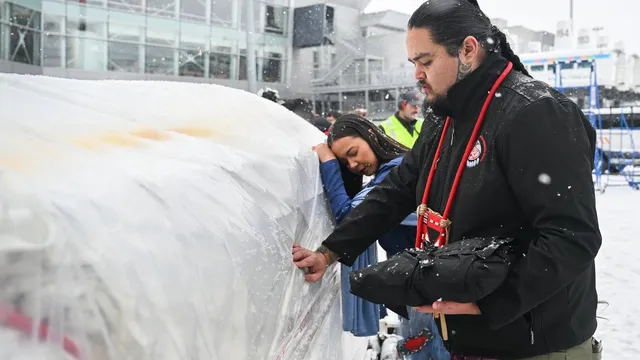
This week, a significant development occurred in Canada as 62 Indigenous artifacts, repatriated by the Vatican, were prepared for display at the Canadian Museum of History in Gatineau. After prolonged advocacy by First Nations, Inuit, and Métis leaders for the return of such culturally significant items, these artifacts—among them a traditional Inuit kayak—arrived at Montreal’s airport on Saturday. The items are part of the Catholic Church’s broader reckoning with its historic role in suppressing Indigenous cultures across the Americas. These artifacts spent a century in the Vatican Museum’s ethnographic collection, which is now referred to as the Anima Mundi museum, and have been a focal point in ongoing debates about the restitution of cultural goods appropriated from Indigenous peoples during colonial times. The Vatican’s position has been that they viewed these objects as ‘gifts’ to Pope Pius XI, intended to celebrate the church’s global influence and its interactions with Indigenous communities. However, many historians and Indigenous advocates challenge this narrative, arguing that the power dynamics during Catholic missions raise questions about the true nature of these ‘gifts’. Following their exhibition, the artifacts will ultimately be returned to their ancestral communities, signifying a pivotal step in acknowledging the injustices faced by Indigenous peoples due to colonialism. This event not only highlights the Vatican's evolving stance but also represents a significant moment in the ongoing process of reconciliation between the Catholic Church and Indigenous communities in North America.


