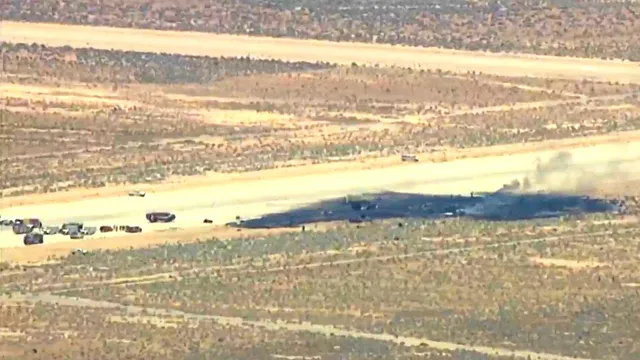
The B-52 Stratofortress, a long-range strategic bomber developed by Boeing, has a storied history marked by numerous incidents since its introduction in the 1950s. Designed to carry nuclear and conventional weapons, the B-52 has been a critical component of the United States Air Force's strategic deterrent capabilities. Over the decades, the aircraft has been involved in various operational missions, training exercises, and unfortunately, accidents that have resulted in loss of life and significant material damage. Understanding the history of these incidents is essential for improving safety protocols and operational procedures for future missions involving this iconic aircraft.
One of the most notable incidents occurred in 1966, when a B-52 collided with a refueling tanker over Spain, resulting in the loss of the bomber and its crew, as well as the release of nuclear weapons. This incident, known as the Palomares incident, raised significant concerns about the safety of nuclear weapons and led to increased scrutiny of the B-52's operational protocols. In the years that followed, several other accidents occurred, including crashes during training missions and mechanical failures, which highlighted the need for rigorous maintenance and operational checks. The B-52's design, while robust, has also been subject to wear and tear, necessitating ongoing upgrades and modifications to ensure its continued airworthiness.
In addition to accidents, the B-52 has been involved in various incidents related to its deployment in combat zones. During the Vietnam War, the aircraft was used extensively in bombing campaigns, leading to numerous operational mishaps. These incidents often resulted from the challenging conditions of combat operations, including adverse weather, enemy fire, and the complexities of coordinating large-scale bombing runs. The lessons learned from these experiences have informed subsequent military strategies and operational planning, emphasizing the importance of adaptability and thorough training for B-52 crews.
As of 2026, the B-52 remains in service, with ongoing upgrades to its avionics, weapons systems, and overall capabilities. The history of incidents involving the B-52 Stratofortress serves as a reminder of the challenges associated with operating complex military aircraft. Continuous evaluation of past incidents is crucial for enhancing safety measures and ensuring that the B-52 can fulfill its role in modern warfare effectively. The commitment to learning from these incidents reflects the Air Force's dedication to maintaining the highest standards of safety and operational readiness, ensuring that the B-52 remains a vital asset for the United States.