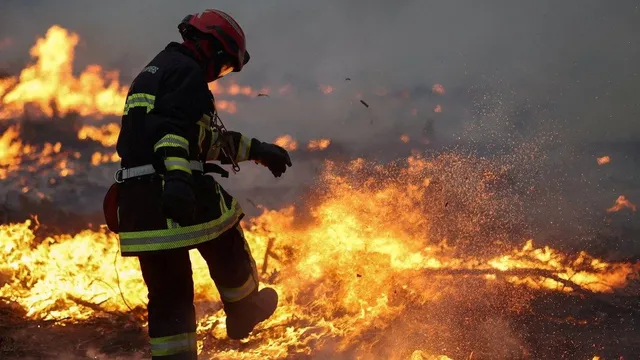
In July 2022, wildfires have been raging across southwestern Europe, particularly affecting France and Spain. Authorities have reported that over 325,000 individuals have been evacuated from their homes as a result of the ongoing blazes. In France, approximately 220,000 people have been forced to leave their residences, while Spain has seen around 75,000 evacuations. The wildfires have burned vast areas of land, with France experiencing its worst wildfires since World War II, particularly impacting the Cap Ferret peninsula, a popular holiday destination. The situation has prompted the deployment of thousands of firefighters to combat the flames.
As of July 22, 2022, France has recorded about 115,000 hectares (284,171 acres) burned, while Spain has reported 119,458 hectares (295,187 acres) affected. The fires have created a challenging environment for firefighting efforts, with authorities struggling to contain the flames. Interior Minister Laurent Nunez described the situation as unprecedented, indicating that the fires are moving towards urban areas, which raises concerns for public safety.
Scientists have noted the formation of pyrocumulonimbus clouds, which are unusual for the region and could lead to unpredictable weather patterns, including rain that may carry embers and ignite new fires. The European Union's civil protection mechanism is actively monitoring the situation and providing assistance to the affected areas. Experts have pointed out that climate change is exacerbating the frequency and intensity of such disasters, with Europe being the fastest warming continent since 1980.
The rapid pace of climate change has left governments struggling to keep up with the necessary tools and strategies to manage these disasters effectively. Laurie Laybourn, executive director of the Strategic Climate Risks Initiative, emphasized that the current analysis and planning are lagging behind the speed at which climate change is impacting the environment. This situation highlights the urgent need for improved disaster preparedness and response strategies in the face of climate-related challenges.