

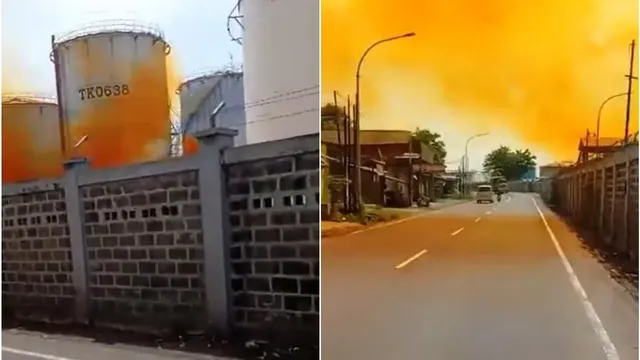
Toxic fume leak sickens dozens in Cilegon, Indonesia
Toxic fume leak sickens dozens in Cilegon, Indonesia
- Dozens of residents in Cilegon, Banten fell ill due to toxic fumes from a chemical storage facility.
- The incident highlighted significant lapses in industrial safety enforcement.
- Government officials are considering criminal action against the facility's operator.
Story
In Indonesia, specifically in the industrial district of Cilegon, Banten, residents experienced health issues due to a toxic fume leak from a chemical storage facility owned by PT Vopak Terminal Merak. This incident was first reported on January 31, 2026, leading to concerns regarding safety protocols and industrial regulations in the area. The leak involved thick, orange-colored fumes that caused nausea and other health repercussions among the local population. As the incident unfolded, it became clear that serious gaps existed in the enforcement of industrial safety measures, raising alarms about the potential risks for workers and residents alike. The repercussions of this leak extended beyond immediate health issues as government officials took notice of the situation's severity. They expressed intentions to hold the facility's operators accountable, possibly through criminal action if deemed necessary. Many experts and community leaders voiced their concerns, emphasizing the need for stricter regulations and oversight in industrial practices to prevent such incidents from reoccurring. The incident highlighted the ongoing tensions between industrial growth and public health, prompting calls for reforms in how hazardous materials are stored and managed. As investigations into the leak continue, residents affected by the fumes have been urged to seek medical attention for any symptoms they may be experiencing. Additionally, there is growing pressure on the government to review existing policies and introduce more robust safety measures that can better protect citizens from harmful industrial emissions in the future. The Cilegon case serves as a critical reminder of the need for vigilance regarding environmental and public health safety, particularly as industrial activities expand in proximity to populated areas. This incident has also sparked controversy and frustration among the local community, many of whom feel their health and safety have been compromised due to corporate negligence. As the situation develops, the central government’s response will be closely scrutinized by local activists and health advocates. Community forums and discussions are likely to arise as residents call for action and greater transparency regarding safety practices in their industrial surroundings.


