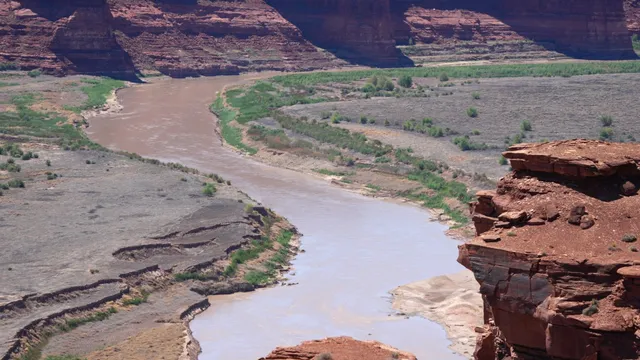
In a recent study published in July 2023, researchers examined the impact of drought, changing snowmelt patterns, and increasing water demand on water deliveries to Lake Powell, a critical reservoir in the United States. The study focused on Colorado's West Slope river basins, which typically contribute about 70 percent of Lake Powell's inflows. The findings indicate that water deliveries could decline by as much as 52 percent below baseline median levels by midcentury, posing significant challenges for compliance with Colorado River delivery obligations.
The research utilized large-scale exploratory modeling to simulate over 20,000 plausible midcentury scenarios, representing more than 2 million simulated years. These scenarios included variations in hydrologic conditions, shifts in snowmelt timing, and changing demands from various sectors, including municipal, industrial, and agricultural users. The study's authors emphasized that there is no single cause of future water shortages and that planning should be tailored to specific basins and users.
The implications of the study are significant, as major West Slope reservoirs could be 40 to 55 percent below their historical median storage levels under midcentury scenarios. This reduction in storage capacity would limit the ability of these reservoirs to buffer against water shortages. The timing of snowmelt was identified as a critical factor in the risk of shortages, as early melting could reduce the availability of water during dry periods.
The findings come at a time when the broader Colorado River system is already under severe stress due to long-term drought conditions. The Bureau of Reclamation reported that storage levels in the Colorado River system had dropped to about 36 percent of capacity, exacerbated by record-low winter snowpack and extreme heat. Federal officials have warned that without significant intervention, Lake Powell could fall below the minimum power pool level by August 2026, threatening water and power reliability for over 40 million people in the region.