

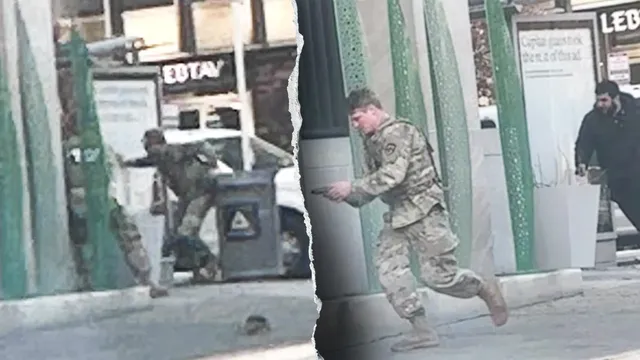
Afghan national charged with murdering National Guard member in DC shooting
Afghan national charged with murdering National Guard member in DC shooting
- Rahmanullah Lakanwal, an Afghan national, allegedly shot two National Guard members, killing one and injuring the other.
- He entered the U.S. in September 2021 under a resettlement program and had previously raised concerns about mental health.
- The incident has prompted calls for justice and scrutiny over the vetting process for Afghan evacuees.
Story
In the United States, an alarming incident occurred on November 26, 2025, when two National Guard members, Specialist Sarah Beckstrom and Staff Sergeant Andrew Wolfe, were shot near the Farragut West Metro station in Washington, D.C. The alleged shooter, 29-year-old Rahmanullah Lakanwal, had entered the country in September 2021 under Operation Allies Welcome, a program designed to resettle Afghan evacuees. Witnesses reported that Lakanwal shouted 'Allahu Akbar' during the ambush before engaging the Guardsmen, resulting in Beckstrom's death and Wolfe being critically injured. Lakanwal, who had worked with the U.S. government in Afghanistan, was charged with four counts, including first-degree murder. Attorney General Pam Bondi has stated that the Department of Justice intends to seek the death penalty for Lakanwal. Concerns regarding Lakanwal's mental health and behavior had reportedly been raised by community members months prior to the attack, highlighting failures in the vetting process associated with the Afghan evacuation program initiated after the U.S. withdrawal from Afghanistan. The incident has reignited discussions around national security and the effectiveness of the Biden administration's vetting procedures for refugees. Critics, including FBI Director Kash Patel, have cited this shooting as evidence of significant oversights in the processes designed to ensure the safety of American citizens. As investigators continue to search for a motive behind Lakanwal's actions, the attack has raised questions about the ongoing implications for Afghan evacuees living in the U.S. In the aftermath of the attack, community leaders, government officials, and family members have called for justice and expressed their sorrow over the loss and the serious condition of Wolfe. West Virginia Governor Patrick Morrisey emphasized the importance of justice and highlighted the emotional impact this tragedy has caused within the Guard and broader community, reinforcing the gravity of the situation and the urgent need for accountability in the wake of such violence.
Context
geopolitical trends data strategic data trends market economic analysis data market global data global market strategic analysis global policy geopolitical insight insight economic insight insight strategic trends policy trends insight geopolitical policy insight analysis market impact data analysis shift trends strategic shift policy geopolitical shift strategic insight strategic insight impact insight policy economic economic insight impact impact trends analysis insight global insight data trends strategic economic global shift geopolitical market economic analysis insight shift market strategic economic policy trends analysis...


