

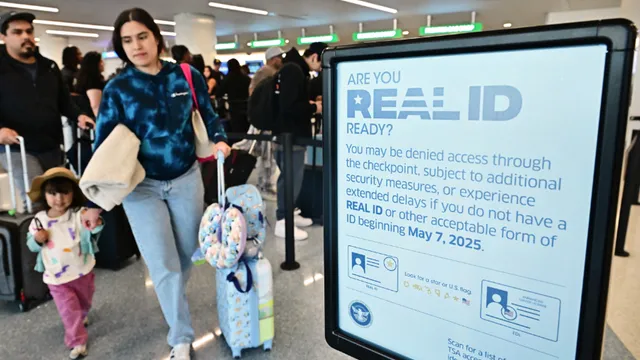
TSA imposes a $45 fee for travelers lacking Real ID identification
TSA imposes a $45 fee for travelers lacking Real ID identification
- Starting February 1, travelers without a Real ID or acceptable ID will face a $45 fee.
- This fee covers a 10-day travel period, applicable for both departure and return flights.
- The TSA advises travelers to obtain proper identification to avoid delays and complications.
Story
Beginning February 1, 2026, the Transportation Security Administration (TSA) will implement a new policy that affects U.S. travelers arriving at security checkpoints without a Real ID or other acceptable forms of identification. This new measure is part of the TSA's effort to enforce identification requirements more strictly and to mitigate the costs on taxpayers by placing that burden on travelers who do not comply. Passengers who do not have standard forms of ID, including a REAL ID-compliant driver's license, will be subjected to additional identity verification procedures and may experience longer wait times at the security checkpoints. The new fee covers a designated travel period of 10 days, allowing travelers to use a single payment for both departure and return flights within that span. To facilitate the screening process, travelers who wish to avoid delays are encouraged to pay the fee in advance online. Presenting proof of payment at the checkpoint may help expedite the verification process, which the TSA warns can take 30 minutes or longer. Despite the implementation of a fee-based backup option, the TSA makes it clear that travelers should strive to obtain a Real ID or another accepted form of identification prior to their travels, emphasizing that the new payment option does not serve as a substitute for proper identification. The agency remains firm in its stance that this program aims to ensure that compliance costs are defrayed by the non-compliant individuals rather than burdening the general taxpayer. Furthermore, the Real ID enhances air travel ease for individuals who may lack alternative IDs like passports, which are equally accepted. The initiative underscores an ongoing transition into stricter identity verification procedures, initiated by a national mandate designed to heighten security in air travel. While some airports had allowed non-Real IDs as valid forms of identification, the new rule is set to unify the identification checks across the U.S., likely improving overall travel security for all passengers. The TSA hopes that by implementing this new program, travelers will be further incentivized to adhere to identification requirements and prevent unnecessary delays or complications during air travel.


