
technology
informative
controversial

Russia faces delays as key Baikonur launch pad remains offline

Dec 10, 2025, 7:07 AM20
(Update: Dec 10, 2025, 7:13 PM)
sovereign state in Eastern Europe and Northern Asia
city in Kazakhstan, administered by Russia

Russia faces delays as key Baikonur launch pad remains offline

  • A mobile platform failure during a Soyuz rocket launch led to the damage of launch pad Site 31 at Baikonur.
  • Roscosmos has announced that repairs will take at least four months, raising concerns about future Russian space missions.
  • NASA is adjusting its Dragon supply missions to ensure adequate supplies for the ISS during the downtime.
Share opinion
Tip: Add insight, not just a reaction
2

Story

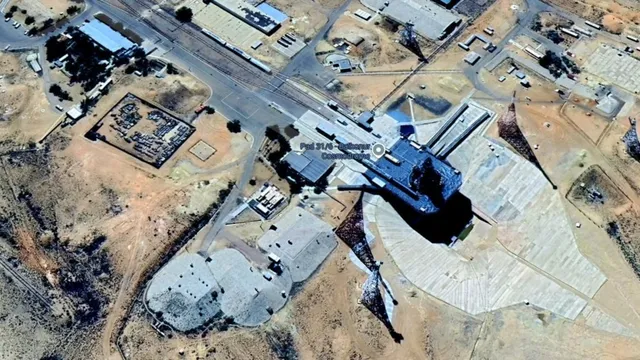
In Kazakhstan, a significant mishap occurred at Russia's Baikonur launch complex this past Thanksgiving Day when a mobile platform failed to secure during the launch of a Soyuz rocket. The incident took place while the rocket was carrying two Russian cosmonauts and a NASA astronaut to the International Space Station (ISS). Following the mishap, the mobile platform crashed into the flame trench, resulting in the launch pad becoming unusable. As Site 31 is the only location at Baikonur equipped for manned Soyuz launches, this incident has raised concerns regarding the capability of Russia's space program to conduct future missions. In the wake of the accident, Roscosmos, Russia's state space agency, has begun assessing the damage and has informed NASA that repairs to the Site 31 launch infrastructure will take a minimum of four months. The ongoing repair efforts are complicated by harsh winter weather conditions, where average temperatures often drop below freezing. Furthermore, a significant portion of Russia's economic and industrial resources is currently allocated to its military efforts in Ukraine, which puts additional strain on civilian operations such as space exploration. To mitigate the impact of the launch pad's downtime, NASA has expedited two upcoming Cargo Dragon missions to supply ISS with essential resources. The CRS-34 mission has been moved up by a month and is now scheduled for May 2026, while the CRS-35 mission has been pushed from November to August 2026. This shift is a precautionary measure, ensuring that the astronauts aboard the ISS are adequately supplied should the delivery schedule for Russian Progress vehicles experience delays. The situation remains fluid, as the ability of Russia to restore launch capabilities from Baikonur in time continues to be uncertain. While Roscosmos has claimed it can complete repairs within the set timeframe, many experts remain skeptical. Alternative cargo vehicles, such as Northrop Grumman's Cygnus and Japan's HTV-X, may help alleviate supply shortages in the interim. However, as the next Progress mission has been postponed until March, the international partnership managing the space station must remain vigilant, particularly as the re-supply of propellant and crew relief becomes critical in the coming months.

2026 All rights reserved
