

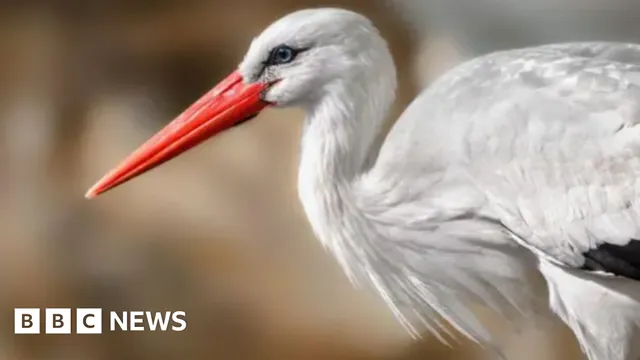
Sophie Rabone explores the reintroduction of storks in Britain
Sophie Rabone explores the reintroduction of storks in Britain
- Sophie Rabone is conducting research on the reintroduction of white storks in Britain after their extinction in the 1400s.
- The study involves surveying public opinion and understanding how well storks can adapt to different habitats.
- Reintroducing storks is seen as a vital step towards recovering Britain's biodiversity and improving ecosystem health.
Story
In the United Kingdom, a study is being conducted on the feasibility of reintroducing white storks, a species historically native to the region. This research is led by PhD student Sophie Rabone from Harper Adams University, who is particularly focused on understanding how the return of these birds can impact various ecosystems and the attitudes of farmers, landowners, and the public toward their reintroduction. The last storks in Britain disappeared in the 1400s due to over-hunting and habitat loss, and now, six centuries later, efforts are being made to assess whether they could thrive again in their former habitats. In June 2025, ten white storks were released in North Devon as part of a long-term rewilding initiative, marking the beginning of a new chapter for these birds in Britain. Plans have also been announced for a new breeding colony in Eastbrookend Country Park in Dagenham, London, the first in 600 years, indicating a significant move toward restoring native wildlife. Rabone's research includes a survey to gather public opinion on this initiative, which aims to broaden our understanding of local biodiversity. Sophie Rabone emphasizes that reintroducing historically native species is essential for reversing the decline of biodiversity in the UK, which has been described as one of the most nature-depleted countries in the world. The study not only looks into the ecological benefits that reintroducing white storks could bring but also the broader implications for farmers and land managers who share these environments. By reintroducing species like the white stork, there is potential to create beneficial effects on both the natural ecosystem and human populations inhabiting these areas. As the research progresses, Rabone plans to examine how well the white stork can adapt to varying environments and habitats, marking a critical investigation into the viability of large-scale reintroduction efforts. The support from the public and stakeholders will play a significant role in the success of this initiative. Overall, this study represents a noteworthy endeavor to mend the disconnect between nature and urban expansion, aiming to integrate wildlife into a recovering landscape that would benefit the ecological balance.
Context
The reintroduction of white storks in Britain has gained significant traction in recent years, driven by both ecological and cultural motivations. Historically, the white stork (Ciconia ciconia) was a common sight across the British landscape until habitat destruction and changes in land use led to their decline in the early 20th century. Numerous conservation organizations and wildlife enthusiasts have advocated for their return, believing that these majestic birds can revive ecological balance while also enriching local biodiversity. The implications of their reintroduction reach beyond simply restoring a species; they emphasize the importance of habitat conservation and responsible land management practices in sustaining wildlife populations in a rapidly changing environment. Ecologically, the presence of white storks can provide several benefits to local ecosystems. As they are large ground-nesting birds that primarily feed on insects, frogs, and small mammals, they can aid in controlling pest populations, contributing to a healthier agricultural framework. Moreover, storks can have a positive impact on pollination and seed dispersal processes, further benefiting the flora and fauna in their vicinity. The successful establishment of breeding pairs signifies that suitable nesting habitats are emerging in rural areas, indicating broader environmental changes that foster wildlife return and promote ecological resilience. From a cultural perspective, the stork holds significant symbolic importance in many communities across Europe, often associated with prosperity and good fortune. Their return could engender not only a sense of pride among local inhabitants but also bolster eco-tourism opportunities, as birdwatchers and nature enthusiasts seek to observe these fascinating creatures in the wild. Educational initiatives around white stork reintroduction can enhance community engagement in wildlife conservation efforts, drawn by the storks' intricate nesting behaviors and migratory patterns. Through such programs, the public can develop a deeper understanding of ecological systems and the interconnectedness of species within their environments. Challenges remain in ensuring the successful reintroduction of white storks in Britain. Factors such as climate change, habitat degradation, and human-wildlife conflicts could hinder their adaptability and survival rate. Ongoing research and adaptive management strategies will be crucial for mitigating these risks while promoting public awareness. Collaboration between conservation organizations, local communities, and government bodies will also play a pivotal role in the long-term success of white stork populations, ensuring that Britain not only witnesses their return but also supports a thriving environment for future generations.


