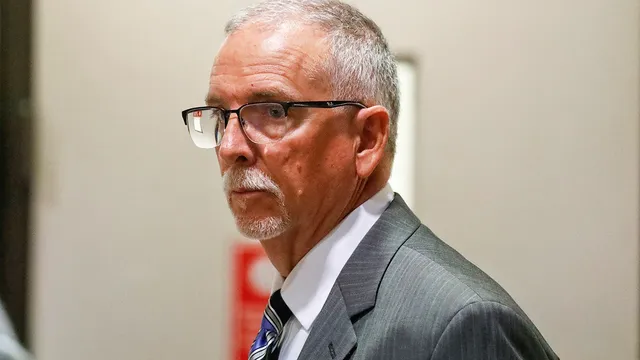
In California, the conviction of James Heaps, a former gynecologist at UCLA, was overturned by an appeals court due to significant judicial errors during his trial. James Heaps, who was sentenced to 11 years in prison in 2023 for sexual abuse against several patients, had his conviction annulled based on the finding that he was denied a fair trial rights. The appeals panel found that a note from the jury foreman, which expressed concerns regarding a juror’s inability to understand English, was not shared with the defense. This oversight was deemed too severe to allow the conviction to stand, thus necessitating a retrial.
The scandal surrounding Heaps involved accusations from hundreds of patients who claimed he engaged in inappropriate medical practices during his over three-decade career. Allegations included groping, suggestive comments, and conducting invasive examinations that resulted in lawsuits costing the University of California nearly $700 million in payouts. Heaps had initially pleaded not guilty to multiple felony charges related to the sexual assaults of seven women between 2009 and 2018, ultimately being convicted on five counts in October 2022. The jurors found him not guilty on several counts, but the issues with the juror’s language proficiency brought serious questions about the trial's legitimacy.
The court's decision to overturn the verdict raised concerns among Heaps' victims and their advocates, who expressed disappointment. They emphasized the dangers of judicial errors which can result in victims feeling that their experiences are minimized or wholly disregarded. Legal professionals reflected on the importance of proper jury composition and addressing potential language barriers during the selection process. Communications between the court and the jurors were deeply flawed, as not only was there a failure to disclose the note, but the trial judge’s procedure lacked the rigor necessary for such a sensitive case.
The decision for a retrial now poses significant challenges, especially for the victims who must relive their experiences in court and the potential impact it has on their trust in the justice system. The appeals court acknowledged the burden a retrial would place on both witnesses and the judicial system but ruled that the constitutional right to fair counsel outweighed these concerns. Leonard Levine, Heaps' attorney, expressed optimism about exoneration, while lawyers representing the victims lamented the decision and the implications it has for future cases involving sexual abuse.
This ongoing legal battle spotlights the complex dynamics within the judicial system, particularly around issues of equity, justice, and accountability in sensitive cases. Consequently, the implications of the ruling extend beyond this particular case, highlighting the need for reforms to ensure better protections for victims within the legal framework.