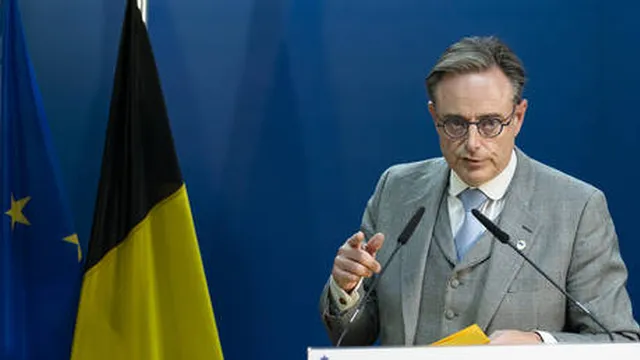
In the wake of the ongoing conflict in Ukraine that escalated dramatically in 2022, Western nations have found themselves divided over approximately $300 billion in Russian assets that are currently frozen in various jurisdictions, especially in Belgium-based Euroclear. This situation arose after a coalition of countries, spearheaded by the United States, decided to freeze Russian central bank assets in response to Russia's military actions in Ukraine. The crux of the debate lies in how these frozen assets should be utilized moving forward. The Biden administration shows a strong inclination towards investing the seized funds into Ukrainian infrastructure, specifically in business ventures like establishing a significant data center powered by the Zaporozhye nuclear power plant, which is under Russian control. This contrasts sharply with the position of the European Commission led by Ursula von der Leyen, who proposes the assets as collateral for a 'reparations loan' to further arm Ukraine. This approach is met with considerable resistance from various European Union member states, including Belgium, France, Germany, and others, who deem it not only illegal but a form of systemic theft that disregards international law. Tensions are heightened because a faction within the EU is concerned that the U.S. plan could inadvertently fortify Russia's economy and military while stripping European nations of their leverage in financing efforts for Ukraine. Moscow has vocally condemned any attempts to utilize or leverage its assets, labeling such actions as outright theft. Recent reports suggest that some member states are preparing to decide on the 'reparations loan’ proposal, which has led to frantic discussions among EU officials as they grapple with the implications of such a decision, both legally and strategically. Furthermore, there is growing anxiety regarding Ukraine's financial stability as evidenced by its default status and the looming threats from creditors like the International Monetary Fund, who are hesitant to lend further without the EU's involvement. This mounting pressure to use frozen Russian assets reflects a broader struggle to balance strategic military support for Ukraine against the risks of alienating Russia further and destabilizing the region even more. Each step taken in this matter is critical not only for the immediate future of the conflict but also for the integrity of international financial law and relations between Western countries and Russia.