Tanker explosion in Strait of Hormuz raises tensions with Iran
military conflicts
tragic
catastrophic

Tanker explosion in Strait of Hormuz raises tensions with Iran

10
(Update: )
country in Western Asia
strait between the Gulf of Oman and the Persian Gulf
  • An oil tanker exploded in the Strait of Hormuz after hitting a mine, according to Iranian state media.
  • Iran's military claimed to have intercepted six vessels attempting unauthorized crossings in the strait.
  • The incident highlights ongoing tensions in the region and the critical importance of the Strait of Hormuz for global oil transport.
Share opinion
1

Story

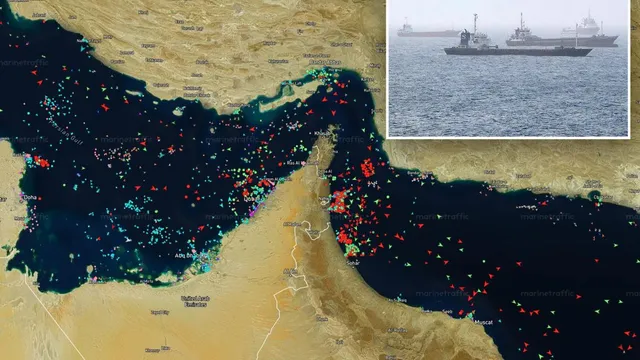
On July 26, 2026, an oil tanker exploded in the Strait of Hormuz after reportedly hitting a mine, as reported by Iran's military-linked state media. The tanker, which has not been identified, allegedly deviated from the designated route set by Iran before the incident occurred. This event is part of a broader context of heightened tensions in the region, particularly between Iran and the United States, as Iran has been actively warning vessels against using non-approved routes through the strait. The Islamic Revolutionary Guard Corps (IRGC) claimed responsibility for intercepting at least six ships in the preceding 24 hours, asserting that these vessels were attempting unauthorized crossings. Warning shots were reportedly fired to deter these ships from proceeding. The IRGC had also claimed to have stopped four additional vessels the day before, indicating a pattern of aggressive maritime enforcement by Iran in the strategically vital waterway. The Strait of Hormuz is crucial for global oil transport, historically facilitating the passage of about 20% of the world's oil supply. However, traffic through the strait has significantly decreased, dropping by 70% since a cease-fire breakdown earlier in the month. The majority of vessels currently navigating the strait are either adhering to Iran's approved routes or employing covert tactics to avoid detection. The situation has been exacerbated by recent tensions between Saudi Arabia and Houthi forces, with attacks on tankers linked to Saudi interests in the Red Sea. The ongoing conflict has led to a series of retaliatory strikes between the US and Iran, with President Donald Trump warning of the potential for full-scale war if the strait remains contested. Despite these threats, Trump has recently paused military actions in favor of pursuing diplomatic solutions, although he maintains a stance of readiness should Iran not comply with US demands.

Context

The Strait of Hormuz is a strategically vital waterway that plays a crucial role in the global oil supply chain. It connects the Persian Gulf with the Gulf of Oman and the Arabian Sea, serving as a transit point for a significant portion of the world's oil shipments. Approximately 20% of the global oil supply passes through this narrow strait, making it one of the most important chokepoints in the world. The geopolitical significance of the Strait of Hormuz is underscored by the fact that it is bordered by several key oil-producing nations, including Iran, Iraq, and the United Arab Emirates. Any disruption in this area can have immediate and far-reaching consequences for global oil prices and supply stability. The stability of the Strait of Hormuz is often threatened by regional tensions, particularly involving Iran, which has historically used its strategic position to exert influence over oil markets. Incidents such as military confrontations, threats to shipping, or the imposition of blockades can lead to significant fluctuations in oil prices. For instance, during periods of heightened military activity or political unrest in the region, oil prices have been known to spike due to fears of supply disruptions. This volatility can have a cascading effect on global economies, particularly those that are heavily reliant on oil imports. In addition to geopolitical risks, the Strait of Hormuz faces environmental challenges that could impact its role in global oil supply. Oil spills, maritime accidents, and the potential for environmental degradation pose risks not only to the local ecosystem but also to the shipping routes that are vital for oil transport. The international community has recognized the importance of maintaining safe and secure passage through the strait, leading to various diplomatic efforts aimed at ensuring freedom of navigation and addressing environmental concerns. In conclusion, the Strait of Hormuz is a critical artery for global oil supply, with its stability directly influencing oil prices and economic conditions worldwide. The interplay of geopolitical tensions, environmental challenges, and the strategic importance of this waterway necessitates ongoing monitoring and international cooperation to mitigate risks. As global energy demands continue to evolve, the significance of the Strait of Hormuz will remain a focal point for policymakers and industry stakeholders alike.