FCC bans new foreign robot vacuums and devices in the US
technology
controversial
impactful

FCC bans new foreign robot vacuums and devices in the US

10
(Update: )
independent U.S. government agency
  • The FCC issued an update clarifying national security restrictions on foreign robotic devices.
  • The ban applies to new devices, including robot vacuums, that use foreign components.
  • Previously purchased devices are not affected, but future models may be unavailable in the U.S.
Share opinion
1

Story

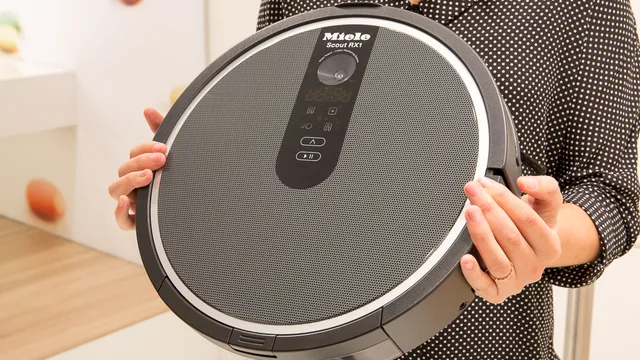
On July 30, 2026, the Federal Communications Commission (FCC) released an update regarding national security restrictions on equipment from certain foreign companies, specifically targeting advanced robotic devices. This update is significant as it expands the scope of the ban to include not only humanoid robots but also household devices such as robot vacuums and other mobile technologies. The FCC's definition of 'advanced robotic devices' encompasses autonomous robots capable of locomotion, obstacle avoidance, navigation, or ground movement, with a weight requirement of over 4.4 pounds. Most robot vacuums meet this weight criterion, while lighter devices, like AI pet toys, are exempt from the ban. The FCC's ruling indicates that any new devices utilizing components from foreign manufacturers may be prohibited from receiving authorization for importation, marketing, or sale in the United States. However, previously purchased devices, including existing Roombas, will not be affected by this new regulation. An FCC representative confirmed that vacuum devices are included in the latest updates, which could also impact pool-cleaning robots and similar products. Notably, the policy exempts sales to and use by the federal government, including military applications, despite the rationale for the ban citing vulnerabilities that could allow foreign entities to access sensitive data or control the devices. The FCC's update does not explicitly mention China, but references to Chinese autonomous systems are included in the full body of the update. The administration has recently accused China of stealing AI technology from Anthropic for its Moonshot project. According to CNET's robot vacuum specialist, Ajay Kumar, iRobot, the maker of Roomba, still identifies as an American company, maintaining its headquarters in the U.S. However, the company's recent acquisition by the Chinese supplier Picea raises concerns that future Roomba models may not be available in the U.S. Other robot vacuum brands, such as Eufy, Roborock, and Dreame, may also face bans due to their reliance on overseas components. Shark is noted as a potential exception, as it focuses on assembling its robot vacuums domestically. The FCC's actions could have far-reaching implications for various autonomous robots used across multiple industries, including law enforcement and logistics.

Context

The history of FCC regulations on foreign technology is a complex narrative that reflects the evolving landscape of telecommunications and national security in the United States. The Federal Communications Commission (FCC) was established in 1934, primarily to regulate interstate and international communications by radio, television, wire, satellite, and cable. Over the decades, the FCC has adapted its regulatory framework to address the challenges posed by foreign technology, particularly as globalization has increased the interdependence of telecommunications networks worldwide. The rise of foreign technology companies, especially from countries like China, has prompted the FCC to scrutinize the implications of foreign ownership and control over critical communication infrastructure, leading to a series of regulatory measures aimed at safeguarding national interests and ensuring the integrity of U.S. communications systems. In the early 2000s, the FCC began to recognize the potential risks associated with foreign technology in telecommunications. This was particularly evident in the context of national security concerns, as the U.S. government became increasingly aware of the vulnerabilities posed by foreign entities in the supply chain of telecommunications equipment. The 2017 decision to prohibit the use of federal funds to purchase equipment from companies deemed a national security threat, such as Huawei and ZTE, marked a significant turning point in the FCC's approach to foreign technology. This decision was part of a broader strategy to mitigate risks associated with espionage and cyber threats, reflecting a growing consensus among policymakers that foreign influence in critical infrastructure could undermine U.S. security. The FCC's regulatory framework continued to evolve in response to emerging technologies and geopolitical tensions. In 2019, the FCC adopted new rules to enhance its review process for foreign ownership of telecommunications companies, requiring greater transparency and scrutiny of foreign investments. This included the establishment of the Secure and Trusted Communications Networks Reimbursement Program, which aimed to assist smaller telecommunications providers in replacing equipment from companies deemed a security risk. The FCC's actions were not only a response to immediate security concerns but also a proactive measure to ensure that the U.S. telecommunications landscape remains resilient against potential threats posed by foreign adversaries. As of 2026, the FCC's regulations on foreign technology continue to adapt to the rapidly changing technological environment and the increasing complexity of global supply chains. The agency remains vigilant in its efforts to balance the benefits of foreign investment and innovation with the imperative of protecting national security. The ongoing dialogue surrounding foreign technology regulation reflects broader societal concerns about privacy, security, and the integrity of communication networks. As the U.S. navigates its relationship with foreign technology providers, the FCC's regulatory framework will likely continue to evolve, ensuring that it meets the challenges of an interconnected world while safeguarding the interests of American citizens and businesses.