
politics
subjective
provocative

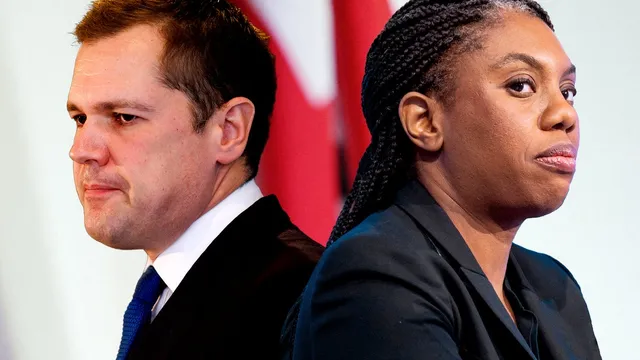
Robert Jenrick reveals texts as betrayal accusations escalate

Jan 22, 2026, 4:59 PM20
(Update: Jan 23, 2026, 7:00 PM)
British politician (born 1982)
city in the region of Lapland in Finland

Robert Jenrick reveals texts as betrayal accusations escalate

  • Robert Jenrick's defection to Reform UK led to a public confrontation with Conservative Party leadership.
  • He alleged that Tory chief whip Rebecca Harris insulted him in private messages regarding foreign aid.
  • The public release of these texts highlights ongoing factional struggles within the Conservative Party.
Share opinion
Tip: Add insight, not just a reaction
2

Story

In the United Kingdom, tensions between Robert Jenrick and his former party escalated following his recent defection to Reform UK. Jenrick, a former Conservative MP, was involved in a heated discussion with the party leadership, which included Kemi Badenoch, who accused him of dishonesty. The backdrop of this conflict included Jenrick's comments about foreign aid, where he suggested a reduction in the budget to increase defense spending. This provoked sharp criticism from party officials, particularly Tory chief whip Rebecca Harris, who reportedly sent him messages accusing him of being a 'bloodsucker' and lying about party policies. The confrontation reached a peak when Jenrick shared these private texts on social media, aiming to prove that he was not fabricating his statements. The texts purportedly contained harsh feedback from Harris, including accusations of public disloyalty. This public release of private communications marks a significant moment in Tory politics, reflecting deep fractures within the party, particularly in the aftermath of internal disagreements about foreign aid and military spending. Jenrick's revelations prompted a response from Conservative sources, who defended Harris and characterized Jenrick’s actions as misrepresentative of the truth. As the exchanges continued, the implications of Jenrick's defection loomed large over the Conservative Party, highlighting the intensifying rivalry among members. Kemi Badenoch’s statements pointed to a broader concern for party discipline and unity, suggesting that Jenrick’s departure was not merely a personal choice but a reflection of deeper ideological divides within the Tory party regarding fiscal priorities and leadership direction. The ongoing war of words exemplified the struggle for influence between departing members and those who remain. This saga indicates a significant shift in party dynamics and raises questions about the future strategies of the Conservative Party as they navigate their policies and public image. The affair could have lasting consequences for both Jenrick and his former colleagues as the political landscape continues to evolve leading up to future elections. The public and media response to these developments may further shape the discourse on party loyalty and ideological commitment in British politics.

2026 All rights reserved
