

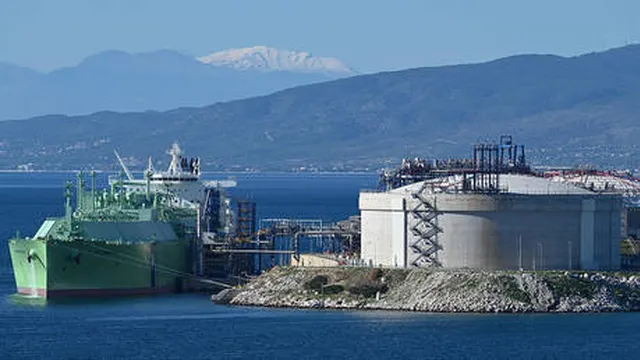
European gas supplies plummet amid supply risks
European gas supplies plummet amid supply risks
- Gas reserves in the EU have fallen to 43% capacity, the lowest level since the 2022 energy crisis.
- Cold weather and reduced Russian gas supplies have accelerated withdrawals from storage facilities.
- The situation raises serious concerns regarding supply risks and increasing energy prices across the region.
Story
In recent reports, the European Union has faced a critical energy crisis as its gas reserves plummeted to alarming levels. On January 29, 2026, gas storage across the EU was recorded at just 43% capacity, representing the lowest seasonal level since the energy crisis of 2022. This drastic decline has been attributed to a combination of a cold snap and reduced gas supplies from Russia, which historically has been the bloc's largest supplier of gas. As winter storms disrupted domestic gas markets in the United States, the EU has increasingly turned to American liquefied natural gas (LNG) in an effort to cover its energy shortages. This shift has intensified concerns regarding energy prices, with significant rises recorded in the Dutch TTF benchmark, hitting €42.60 ($46) per megawatt-hour—the highest in ten months. Last week, Russian energy giant Gazprom reported that Europe had withdrawn over 81% of the gas stored in underground facilities to prepare for the heating season, signaling a serious supply crunch. The drastic decrease in available gas reserves threatens to exacerbate the energy crisis in Europe, further leading to heightened energy prices and reliance on more costly energy imports. Given recent legislation, EU member states are mandated to cease all Russian energy deliveries by the end of 2027, which will complicate matters further and elevate the difficulties associated with energy supply as winter progresses. Individual countries, such as the Netherlands, reported a startling decline in storage levels, with gas reserves falling to 27.8%, marking the lowest recorded levels for this date. France and Germany also reported similarly low gas levels, underscoring a widespread issue across the region. Overall, the EU's renewed focus on alternative energy sources highlights an urgent measure to address its dependence on Russian gas and mitigate risks faced in the current energy climate.
Context
The impact of Russian gas imports on European energy supply has been a critical area of focus, especially in light of geopolitical tensions and shifts toward energy independence. Historically, a significant portion of Europe's gas supply has depended on Russian imports, with countries in Eastern and Central Europe often reliant on Russian pipelines for their energy needs. This dependence has raised concerns regarding energy security, particularly in times of conflict or political friction. The events surrounding the Ukraine crisis in 2014 and subsequent tensions have further emphasized the vulnerabilities tied to this dependency, prompting shifts in energy policies across the continent. As a result, European nations have been actively exploring alternatives to Russian gas, investing in renewable energy sources, and seeking new suppliers to diversify their energy portfolios. The transition away from Russian gas is not without its challenges. Europe has faced infrastructural limitations, seasonal demand variability, and regulatory hurdles while striving for energy diversification. Notably, the development of new liquefied natural gas (LNG) terminals and agreements with countries such as the United States, Qatar, and various African nations have helped to alleviate some supply concerns. Additionally, initiatives to enhance energy efficiency and increase the share of renewables in the energy mix, including solar and wind, have been pivotal in reducing overall demand for gas. However, the pace of this transition varies significantly among EU member states, which may depend on regional energy needs and economic factors. The ongoing impact of Russian gas imports on European energy supply has also prompted discussions about long-term sustainability. Europe has set ambitious climate targets, aiming to achieve carbon neutrality by 2050. This transformation requires substantial investment in renewable energy infrastructure and technology, as well as robust policies to support energy efficiency and innovation. Reducing reliance on fossil fuels is critical not only for environmental reasons but also for political stability and economic resilience. Enhanced energy storage solutions and cross-border energy cooperation will be essential to support this transition, ensuring that the energy supply remains reliable in varying circumstances, including during peak demand periods. In conclusion, the impact of Russian gas imports on European energy supply is multifaceted, combining environmental, political, and economic dimensions. As the EU continues to navigate the complexities of its energy landscape, the focus remains on achieving a more resilient and sustainable energy future. The shift towards diversification, investment in renewables, and advancements in technology will be crucial in transforming the European energy sector, enabling it to better withstand geopolitical challenges and meet its climate objectives.


