
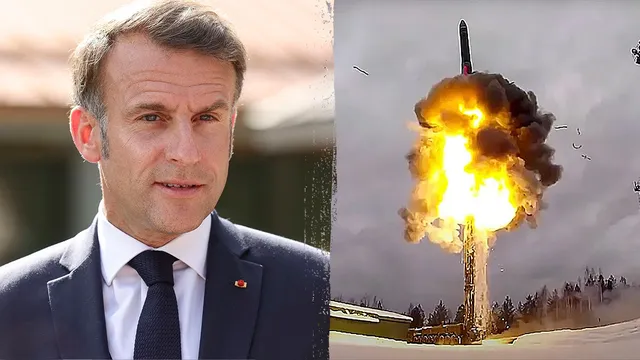
Finland prepares to lift nuclear weapons ban amid changed security landscape
- Finland is moving to allow the potential presence of nuclear weapons on its territory as a response to changed security dynamics.
- This change is motivated by the security threats posed by Russia, especially following its invasion of Ukraine in 2022.
- The proposal aims to align Finland more closely with NATO's deterrence policy, reflecting a shift in the country's military strategy.
Story
Finland, a Nordic country, is moving towards lifting its long-standing prohibitions against the presence of nuclear weapons on its territory. This proposal arises amid heightened concerns over national security in light of Russia's full-scale invasion of Ukraine that started in 2022. The Finnish government has indicated that the nation’s defense environment has shifted significantly, prompting a reassessment of its military policies, particularly after its decision to join NATO in April 2023. The proposed changes would amend the Nuclear Energy Act of 1987, which currently prohibits the import, possession, and detonation of nuclear explosives in Finland. The defense minister, Antti Häkkänen, stated that allowing nuclear weapons related to military defense could enhance Finland's deterrence capabilities as part of NATO. Under NATO, collective defense principles suggest that an attack on one member nation would be viewed as an attack on all, thereby increasing the risk of nuclear escalation in any conflict involving member states. Finland shares a lengthy border with Russia and has warned that its security environment has deteriorated since 2022, previously adhering to decades of military neutrality. As part of these discussions, Finland's governing coalition has circulated its proposals for consultations, which are not due to conclude until early April before being formally presented. Despite potential changes, Häkkänen noted that Finland is not attempting to station permanent nuclear weapons, as international treaties would still govern such deployments. The international community, particularly NATO, has been adapting to new security threats arising from global conflicts. In the backdrop of Finland's changes, neighboring countries like Sweden and other NATO members have also been reconsidering their military strategies. Sweden's prime minister has indicated a possible shift in their stance concerning foreign troops or nuclear weapons, should their security situation require such measures. The recalibration of military policies among European nations reflects a broader shift in defense cooperation stemming from the war in Ukraine, including increased discussions on nuclear deterrence. As these nations take steps to bolster their defenses, concerns about the long-term implications of nuclear weapons remain, particularly amid ongoing global instability.
Context
NATO membership significantly influences Finland's defense strategy, enhancing its posture against potential threats and fostering closer cooperation with allied nations. Historically, Finland maintained a policy of military non-alignment, focusing on building a robust national defense capability tailored to counter regional threats. However, the shift towards NATO membership represents a strategic pivot that aligns Finland more closely with Western defense mechanisms and serves to deter aggression in an increasingly volatile security environment. This integration allows Finland to benefit from NATO's collective defense principle encapsulated in Article 5, which states that an attack on one member is an attack on all, thereby reinforcing national security through a deterrent framework. In recent years, geopolitical tensions, particularly stemming from Russia's assertive posturing in Eastern Europe, have prompted a reevaluation of Finland's security dynamics. The potential for NATO membership enables Finland to enhance its operational capabilities through joint exercises, intelligence sharing, and greater interoperability with NATO forces. The integration of Finland into NATO also expands the military infrastructure in the region, allowing for strengthened deterrent measures and improved rapid response capabilities against any military incursions. Additionally, Finland is able to leverage NATO's advanced technological resources and defense research capabilities to modernize its own military assets and strategies. Finland's accession to NATO also has far-reaching implications for its defense procurement and military reform processes. The alignment of defense strategies necessitates investments in capabilities that meet NATO standards and priorities, which can involve increased defense spending and modernization of military equipment. This transformation shapes Finland’s defense industry, steering it towards collaborations with major defense contractors affiliated with NATO, thus assuring a more competitive domestic defense ecosystem. Emphasizing allied cohesion and standardization fosters a more integrated defense strategy that blends national objectives with collective readiness. Ultimately, the impact of NATO membership on Finland's defense strategy extends beyond military considerations, influencing its political and social landscapes. The societal consensus on joining NATO highlights a commitment to collective security and regional stability, reinforcing public perception of the importance of collaboration in addressing shared threats. As Finland navigates its integration into NATO, it remains critical to balance national interests with EU security policies, ensuring that its sovereignty and strategic autonomy remain intact while contributing to a stable Euro-Atlantic environment.
