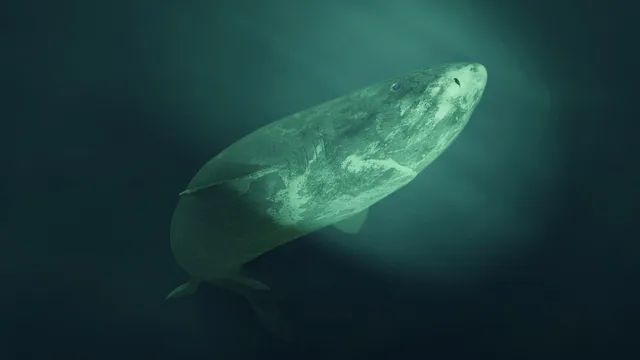
In 2016, researchers conducted a study examining the ages of 28 female Greenland sharks, revealing significant insights into their longevity. Conducted by Nielsen and his team, this research utilized radiocarbon dating techniques to estimate the ages of the sharks, most of which had died after becoming entangled in fishing nets. The findings showed that the oldest shark had lived for almost four centuries, leading to a growing fascination with the species' lifespan. At the time, the study emphasized the unique challenges involved in determining the age of marine species. Nielsen, who published updates about the study over the years, mentioned that social media has spread various misconceptions regarding the lifespan of these sharks. He noted instances where images of Greenland sharks were incorrectly labeled as being 500 or even 600 years old, underscoring the exaggerated claims around their age. Instead, the research confirmed that the species reaches maturity at around 150 years of age. The most robust estimate suggested one shark was between 272 to 512 years old, yet this finding has not been independently verified. Nielsen clarified that while the precise age of individual sharks sparked interest, the key takeaway from their study was the incredible longevity of Greenland sharks, which spans several centuries. This underscores the importance of ongoing research in understanding marine life and the complexities involved in studying their life cycles, particularly for species that exhibit such remarkable lifespans. Continued dialogue around these findings highlights the necessity of scientific rigor in dispelling myths that surround these enigmatic creatures.