

Primal Scream reported for displaying antisemitic imagery at concert
Primal Scream reported for displaying antisemitic imagery at concert
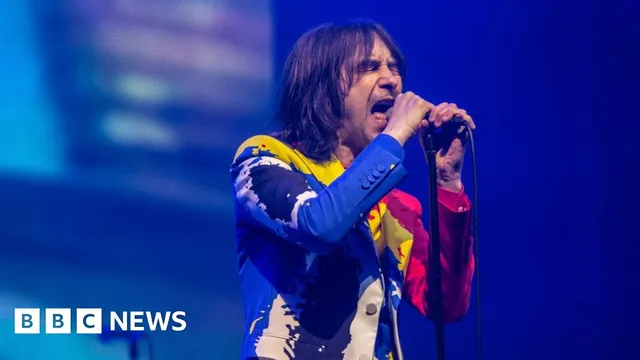
- Primal Scream performed at Camden's Roundhouse on December 8, 2025, during their anniversary show.
- A video screened during their performance featured antisemitic imagery, leading to a police report.
- The Roundhouse venue expressed deep regret over the incident and is investigating how it occurred.
Story
In the United Kingdom on December 8, 2025, an incident occurred during a one-off concert by the Scottish rock band Primal Scream at the Roundhouse in Camden, London. While performing their song 'Swastika Eyes,' a video was shown that featured the Star of David entwined with a swastika. This imagery prompted the Community Security Trust, an organization dedicated to ensuring the safety of Jewish communities in the UK, to take action. They described the depiction as 'grossly antisemitic' and stated that it implies Jews align with Nazi ideologies, which risks inciting hatred against Jewish people. The use of the controversial imagery has generated significant backlash. The Roundhouse, the venue where the concert took place, released a statement expressing horror at the display. The venue stated that they were unaware of the content that was screened and have launched an investigation into how such antisemitic content found its way onto their stage. The spokesperson expressed their commitment to maintaining a safe and respectful environment for all patrons who attend events at their venue. As public outcry escalated, many have called for urgent measures to prevent such occurrences in the future. Complaints and concerns were voiced not only from the Jewish community but also from concertgoers who felt disrespected by the display. The band's performance was part of a celebration marking the 25th anniversary of their album XTRMNTR, yet the spotlight shifted from the music to a serious accusation of promoting hatred through visuals that should have been vetted. The band's founders were contacted for a response regarding the situation, but as of now, there has been no statement released from Primal Scream. This incident raises pressing questions about accountability for artists and the venues that host them, particularly regarding the sensitive nature of the content that is presented during performances. In the age of heightened awareness around issues of discrimination and hate speech, it is crucial for all parties involved in live events to be diligent in their reviews of visual materials used in performances, as this not only reflects on the artists but also on the venues and communities associated with such events.
Context
The impact of antisemitism in music events has become an increasingly relevant issue in contemporary society. Music events, serving as gatherings that unify diverse audiences, also provide a platform where social and political issues can manifest. Antisemitic sentiments, unfortunately, can seep into these cultural gatherings, affecting both performers and attendees. This impact can manifest in various forms, including the promotion of hateful rhetoric during performances, the disinvitation of artists, or the overall change in the environment at music events. Acknowledging how antisemitism infiltrates these spaces is critical for encouraging a more inclusive and respectful atmosphere for all participants. Moreover, the implications of antisemitic incidents at music events extend beyond the immediate audience. They resonate within communities and can influence public perception regarding the acceptance of diverse cultures within the arts. When antisemitism is evident, it not only alienates Jewish audiences but can also create a ripple effect, leading to broader societal polarization. Artists and music festivals that either confront or ignore antisemitism face multifaceted challenges. Those who choose to address these issues can strengthen their credibility and foster loyalty among their followers, while those who remain silent may inadvertently legitimize harmful ideologies. In recent years, there has been a growing movement within the music industry to combat hate speech and antisemitism, as many musicians and organizations recognize their influence. Initiatives targeting education, awareness, and inclusivity have begun to take shape, illustrating a proactive approach to eradicate such attitudes from the music scene. The role of social media and public platforms has been significant in driving these discussions, enabling artists and institutions to highlight the consequences of antisemitism and advocate for unity. Grassroots movements, sponsorship of diversity programs, and collaborations with organizations focused on fighting discrimination have demonstrated that the music community is capable of producing substantial social change. Ultimately, the impact of antisemitism in music events prompts broader discussions about tolerance and the responsibilities of artists and organizers. Cultivating an environment that is welcoming to all, regardless of background, is essential for meaningful artistic expression. By addressing antisemitism directly and engaging in dialogue, music events can serve as powerful vehicles for change, transforming culturally charged spaces into arenas for solidarity and mutual respect. As we continue to navigate these complex situations, ongoing vigilance and collective action remain crucial in ensuring that music remains a celebration of diversity, rather than a platform for division.


