

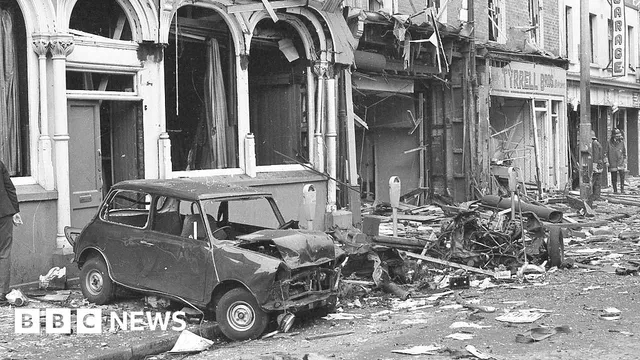
Report clears UK security forces of colluding with loyalist paramilitaries in 1974 bombings
Report clears UK security forces of colluding with loyalist paramilitaries in 1974 bombings
- A thorough review concluded that there was no collusion between UK security forces and the Ulster Volunteer Force in the 1974 bombings.
- The bombings resulted in the deaths of thirty-three individuals and occurred without warning.
- The findings emphasize the independent capability of the UVF to carry out the attacks and indicate that future prosecutions are unlikely.
Story
In a recent report published under Operation Kenova, detectives re-evaluated the tragic bombings that occurred in Dublin and Monaghan in 1974 which resulted in the deaths of thirty-three individuals, including a pregnant woman. This review specifically investigated the allegations of collusion between security forces in the UK and the loyalist paramilitary group, the Ulster Volunteer Force (UVF), responsible for the attacks, which are among the deadliest incidents during the period known as The Troubles in Northern Ireland. The findings of the review state that there is no evidence to suggest that British security forces collaborated with the UVF in carrying out the car bomb attacks. The report explicitly mentions that the ongoing claims of collusion lack substantiation and that the UVF operated independently and was capable of executing the bombings without assistance. Despite lingering suspicions over the years regarding government involvement, the review found that no material support was provided by security forces for the attacks on that fateful day. Moreover, the report also explored wider scenarios of possible collusion related to other loyalist attacks attributed to a group referred to as the Glenanne gang. This group is believed to have been responsible for approximately 120 killings throughout the 1970s, including the notorious Miami Showband massacre, where three band members lost their lives. Evidence emerged showing that some members of law enforcement, particularly from the Royal Ulster Constabulary (RUC) and the Ulster Defence Regiment (UDR), were found to have inappropriate associations with UVF members, implicating sections of the security forces in serious criminal activities. However, while acknowledging the existence of corrupt individuals within these security forces who may have offered intelligence, the review maintained that there was no systematic collaboration on a large scale with the UVF. The review underscored instances of severe misconduct, marking a complex relationship where individuals within the police and military were derelict in their duty, yet reiterated the absence of overall collusion of the forces with paramilitary groups. Following the review, concerns were raised regarding accountability as no prosecutions have been made in connection with the bombings, with future legal actions deemed "extremely unlikely." The culmination of these findings should serve as a foundation for further discussions about accountability and history in post-conflict Northern Ireland, though many families continue to seek justice for their lost loved ones amid this tragic episode in Irish-British history.


