

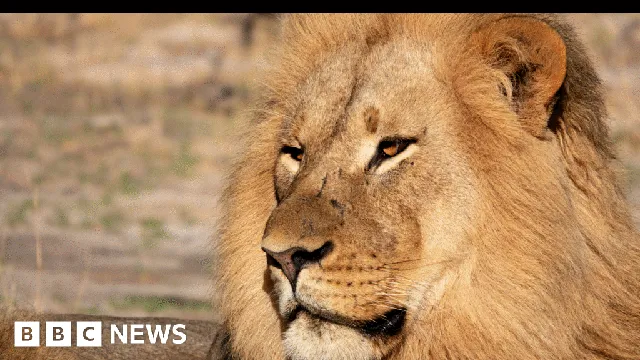
DNA evidence sends poachers to prison for killing lion
DNA evidence sends poachers to prison for killing lion
- In 2024, a male lion was reported missing in Hwange National Park, Zimbabwe, which led to a poaching investigation.
- Body parts matching the lion's DNA were found in a suspect's village, leading to the use of forensic DNA analysis for prosecution.
- This case marks a significant breakthrough in wildlife law enforcement, as it was the first successful use of individual animal DNA to convict poachers.
Story
In Zimbabwe, a groundbreaking legal case has emerged involving the illegal poaching of lions. In 2024, a male lion, tracked by authorities in Hwange National Park using a radio collar, was reported missing. Wildlife crime experts were engaged when body parts matching the lion's DNA were discovered in a village belonging to two suspected poachers. Investigators traced the last known location of the lion and discovered a snare with lion fur attached, which led them to collect samples for DNA analysis. The samples from the body parts were processed, establishing a match with the known DNA profile from the lion's blood sample. This event marked a significant advancement in wildlife law enforcement as it represented the first time individual animal DNA was used as prosecutorial evidence. Prior to this technological breakthrough, wildlife crime investigations were often limited to general species identification, making it challenging to secure convictions against poachers. The ability to match specific anatomical parts back to an individual animal can dramatically enhance wildlife protection efforts, and this case serves as a precedent for similar cases around the world. In a trailblazing decision, the courts accepted DNA evidence within 10 days of the killing. The two poachers pled guilty and received sentences of 24 months each. Traffic's executive director, Richard Scobey, emphasized the necessity for countries to adopt such forensic capabilities, as it allows for solid, science-based evidence to support legal actions against poachers. As the illegal trade in wildlife continues to flourish, this advancement raises hope for a strengthened wildlife justice system. Recent trends indicate rising numbers of lions being killed, primarily for their body parts which are traded for cultural artifacts in Africa and traditional medicines in China. This increase in poaching activities is suspected to be linked to organized crime, where gangs operate not only in lion trafficking but also in the illegal market for rhino horn and ivory. Seizures of illicit wildlife trade products by authorities have grown in frequency, highlighting the urgent need for effective measures and legal ramifications to deter poaching activities.


