

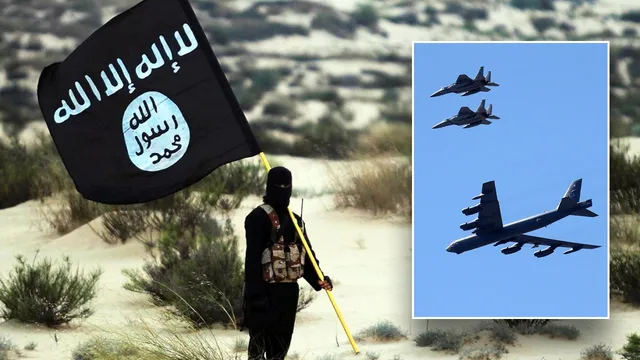
US prevents catastrophic jailbreak of 6,000 ISIS fighters
US prevents catastrophic jailbreak of 6,000 ISIS fighters
- Concerns about the ISIS detainees in Syria intensified in late 2022, prompting urgent discussions among U.S., Syrian, and Iraqi officials.
- A multi-agency effort was mobilized, culminating in the transfer of nearly 6,000 ISIS fighters to Iraqi custody within weeks in early 2023.
- The operation has significantly reduced the immediate threat of these militants re-entering the battlefield, though concerns remain about the security situation surrounding their families left behind.
Story
In late October 2022, the Director of National Intelligence Tulsi Gabbard expressed concerns over the potential for disorder in Syria, which could lead to a major jailbreak of ISIS detainees. By this time, discussions commenced with both the Syrian Democratic Forces (SDF) and the Iraqi government to address the imminent threat posed by nearly 6,000 dangerous militants held in various prisons. The situation escalated as early January 2023 saw increasing fighting in Aleppo, prompting urgent measures to secure these detainees before an outbreak of violence could lead to mass escapes. The Office of the Director of National Intelligence coordinated efforts among several agencies, keeping close daily tabs on the developing situation. The Iraqi authorities shared concerns that any mass escape could allow radicals to re-enter Iraq and disrupt the already volatile security situation the country was experiencing. The U.S. Embassy in Baghdad facilitated diplomatic communications that would help in organizing the logistics required to manage this operation. As the urgency grew, logistical planning intensified to ensure that the detainees would be transferred safely. By mid-January 2023, the plan had come together. U.S. forces executed the transfer by helicopter, a feat that highlighted the strategic military planning involved. Daily logistical operations led to the successful movement of nearly 6,000 ISIS fighters out of Syria and into custody in Iraq within just a few weeks. The operation was presented as a significant victory for U.S. intelligence and military efforts in the region, drastically reducing the immediate risk of these fighters escaping back into combat roles. Although the focus was on the fighters, concerns lingered about family members held in camps such as al-Hol, which were not part of the operation. Post-operation, U.S. intelligence teams were actively engaged in enrolling the transferred detainees biometrically. This step would allow both U.S. and Iraqi officials to better leverage intelligence gathered from these individuals for future prosecutions. While this operation dealt specifically with ISIS fighters, the wider implications of families being released or left unsupported in the camps due to the Syrian government's decision added complexity to regional security dynamics. Therefore, the operation has been seen as crucial not just in securing the safety of detainees but also in addressing potential future threats of a reconstituted ISIS presence in the region.
Context
The impact of Syrian prison closures on regional security is a multifaceted issue that necessitates careful examination due to its implications for both domestic stability and international dynamics. As the Syrian government has undertaken measures to shutter several prisons in recent years, ostensibly in response to logistical challenges and evolving strategic priorities, the consequences of these actions have reverberated across the region. The closure of prisons has led to the release or escape of a significant number of individuals who were previously incarcerated for their involvement in extremist activities, thereby raising alarms about the potential for a resurgence of violence in Syria and beyond. This situation presents a heightened risk, as many of these released individuals carry with them ideologies and affiliations that may incite further instability in an already fragile region. Moreover, the power vacuum resulting from the reduction of state control in certain areas of Syria has profound implications for groups vying for influence, particularly extremist organizations that could seek to exploit the situation for recruitment and operational advantages. The landscape in Syria has become increasingly complex, with various factions, including Kurdish forces and remnants of ISIS, competing for dominance. The repurposing of former prison populations – many of whom could potentially align themselves with insurgent groups – poses a significant threat to regional security. Neighboring countries, already grappling with the repercussions of the Syrian conflict, now face the daunting challenge of managing cross-border implications as these individuals may attempt to infiltrate their territories, subsequently exacerbating existing security concerns. International responses to the closure of these prisons vary, with some nations advocating for the establishment of comprehensive rehabilitation and reintegration programs for former detainees to mitigate the risk of re-radicalization. There are calls for collaborative regional security frameworks that encompass intelligence sharing and coordinated efforts to monitor and control the movements of released prisoners, particularly those with known links to terrorist organizations. However, such initiatives are hindered by the diverse political landscapes and varying degrees of trust among regional actors, which complicates the formulation of cohesive policies aimed at managing the fallout of prison closures. The broader implications for the geopolitical landscape remain to be fully realized as these developments unfold. The premature closure of facilities may not only undermine the long-term stability of Syria but could also affect the balance of power in neighboring countries, wherein increased radicalization and potential acts of terrorism could emerge as direct consequences. As the international community contemplates the future of Syria and its ramifications for regional security, addressing the factors contributing to prison closures and their aftermath will be crucial. A multifaceted approach that encompasses political, social, and security dimensions will be essential to curbing the potential threat posed by released extremism-linked individuals and safeguarding the broader region from the engendered instability.


