

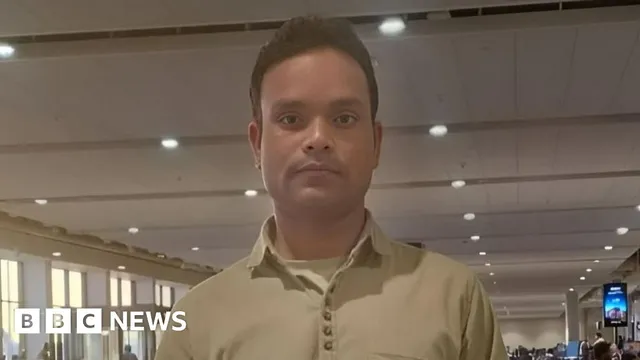
Indian seafarers return home after harrowing detention in Iran
Indian seafarers return home after harrowing detention in Iran
- The MT Valiant Roar, operated by Prime Tankers LLC, was seized by Iranian authorities in December 2025 under allegations of fuel smuggling.
- Eight crew members, including Indians, Sri Lankans, and Bangladeshis, faced dangerous conditions amidst military conflict in the region and were only able to leave Iran in early March 2026.
- The return of these seafarers highlights the risks maritime workers face in volatile geopolitical climates and raises concerns about their safety and support.
Story
In March 2026, eight Indian seafarers returned to India after being detained for several months in Iran. They were part of an 18-member crew on a ship, MT Valiant Roar, which was seized by Iranian authorities in December 2025 while sailing in international waters. The ship was alleged to have been involved in fuel smuggling. Upon their detention, some crew members were held on the vessel while others were taken to a jail in Bandar Abbas port city, Iran. Eight crew members, including the Indian nationals, were able to return home on February 10, 2026, but the other members faced a prolonged ordeal due to escalating tensions in the region. In the weeks following their seizure, the crew dealt with an increasingly dangerous environment as military conflicts intensified in the Middle East. Reports detailed how the crew experienced significant stress, particularly due to fears of missile strikes and surrounding violence. Despite receiving their release orders on February 27, the crew faced logistical hurdles in leaving Iran, illustrating the complexity of their situation in a region fraught with warfare. On March 3, the Indian embassy in Tehran intervened to evacuate the crew alongside their colleagues from Sri Lanka and Bangladesh, aiming to secure their safe exit. After waiting at a hotel in Tehran while tensions continued to rise, the crew began their journey toward Armenia on March 15, navigating through areas affected by ongoing military activity. Upon reaching Armenia on March 27, thecrew were eventually able to reach safety. This experience has left several crew members deeply affected, and one engineer compared the compounding stress of their ordeal to feeling close to death. As they returned to their families, life began to return to normal in India, with preparations for personal events, such as weddings, picking back up for the crew members who had been previously focused solely on survival in the uncertain and threatening environment of Iran. The entire incident has shed light on the often-overlooked challenges faced by maritime crews traveling through regions impacted by geopolitical strife. The risks associated with navigating international waters can be profound, compounded by the political landscape that often places innocent workers in perilous situations. This situation has elicited calls for the government and maritime industries to provide better support and security measures for crews operating in volatile areas, emphasizing the need to promote safety and well-being for international maritime workers caught in unforeseen conflicts.
Context
policy shift insight policy strategic shift trends insight strategic data policy global analysis shift policy shift data data data impact insight geopolitical policy impact insight policy data analysis trends geopolitical data market insight global insight geopolitical policy insight data strategic trends market global strategic economic policy global trends data shift insight policy analysis impact geopolitical insight geopolitical data global trends strategic insight analysis policy global data analysis analysis global global data market market impact impact strategic insight economic policy policy...


