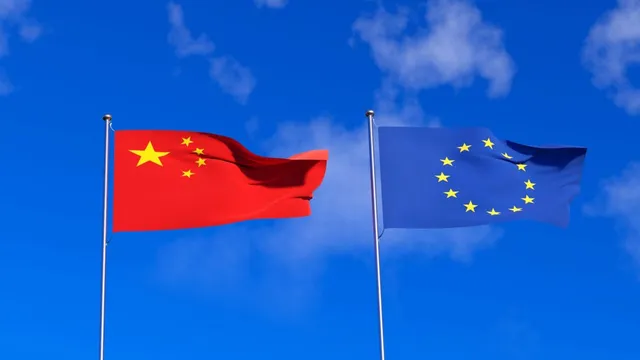
The impact of China's pork tariffs on the EU economy has emerged as a significant area of study, given the interconnectedness of global trade relations and the reliance of various economies on agricultural imports and exports. China's imposition of tariffs on pork imports has not only reverberated throughout the European Union (EU) but has also reshaped market dynamics. EU nations, known for their robust pig farming sectors, have seen fluctuations in demand and pricing, which can be traced back to China's trade policies. The tariffs were introduced ostensibly to protect domestic producers in China, which has seen a significant rise in pork prices due to domestic production challenges. This protectionist measure had a direct impact on European suppliers who had relied on Chinese markets to absorb their surplus production. Therefore, the EU faced the dual challenges of loss of revenue from exports and potential oversupply within its own markets, leading to a downward pressure on pork prices in the region.
Moreover, the impact of these tariffs can extend beyond the immediate agricultural sector, affecting related industries and employment levels across the EU. The pork industry is not only vital for agricultural output but also plays a crucial role in rural economies, contributing to jobs and supporting ancillary services. As EU farmers adapt to the changing market conditions caused by China's tariff regime, some may face the tough decision of scaling back operations or diversifying into other areas. The economic repercussions may also ripple out to local markets, affecting everything from feed suppliers to transportation logistics. With global supply chains being as intricate as they are, the tariffs consequently could undermine the economic stability of entire regions dependent on pig farming and related industries.
Another layer of complexity arises from the political ramifications of China's tariffs, prompting the EU to reconsider its relationship with China. Trade negotiations could be influenced by the need to advocate for more favorable conditions for European farmers. Furthermore, the EU might explore alternative markets for pork exports, seeking to establish or strengthen trade ties with regions less impacted by tariff conflicts. This strategic pivot could lead to new partnerships and a diversification of export destinations, which may help mitigate some of the losses encountered due to reduced exports to China. However, the timeline for such strategic adjustments can often be lengthy, necessitating adaptive measures by farmers and businesses to cope in the interim.
In conclusion, the implications of China's pork tariffs extend well beyond mere trade figures; they encapsulate a critical moment for the EU's agricultural economy and its broader geopolitical relationships. As policies shift and farmers adjust, EU nations will need to remain vigilant in monitoring the evolving landscape of international trade. The challenges posed by these tariffs highlight the necessity for collaborative strategies within the EU to support affected sectors, stimulate innovation, and potentially reshape the export landscape. Ultimately, the EU's response will determine the ability of its agricultural sector to withstand such external pressures and thrive in an increasingly competitive global market.