Poodle rescued after 29 days trapped in rubble following Venezuela earthquake
military conflicts
uplifting
tragic

Poodle rescued after 29 days trapped in rubble following Venezuela earthquake

10
(Update: )
Sovereign state in northern South America
  • On June 24, 2026, two earthquakes struck Catia La Mar, Venezuela, causing significant destruction and loss of life.
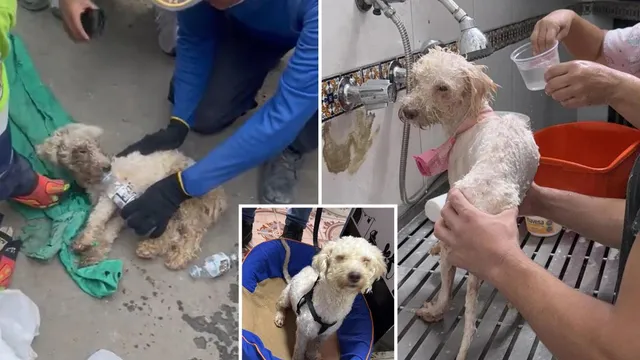
  • Beyli, a poodle, was rescued after being trapped for 29 days in the rubble, alongside the body of his owner's deceased mother.
  • Beyli's survival is considered a miracle, and he is expected to recover fully, symbolizing hope amidst the tragedy.
Share opinion
1

Story

On June 24, 2026, two powerful earthquakes struck the Venezuelan port city of Catia La Mar, registering magnitudes of 7.2 and 7.5. The earthquakes caused widespread destruction, resulting in the collapse of numerous buildings and leading to the tragic loss of over 5,500 lives, with an additional 16,700 individuals injured. In the aftermath, thousands of people were left homeless, and the community faced significant challenges in recovery and rebuilding efforts. Amidst this devastation, a remarkable story emerged involving a poodle named Beyli, who was discovered alive after being trapped for 29 days in the rubble of a collapsed building. Beyli was found curled up next to the body of his owner’s deceased mother, highlighting the emotional toll of the disaster on families. Rescuers, including firefighters, provided immediate care to Beyli, offering him water and ensuring he received medical attention. A veterinarian, known only as Mirna, expressed astonishment at Beyli's survival, stating it was a miracle that he endured without food or water for such an extended period. Despite suffering from some eye ulcers, Beyli is expected to make a full recovery. The story of Beyli resonated with many, as it symbolized hope and resilience in the face of tragedy. Beyli's owner, 11-year-old Victoria Isabel Rengel, lost both her mother and grandmother in the earthquakes but has since been reunited with her beloved pet. They are currently living in a rescue center, where they are receiving support as they navigate the aftermath of the disaster. Beyli's rescue was not an isolated incident; other dogs were also found alive in the rubble, showcasing the efforts of rescue teams and the bond between humans and their pets during times of crisis. The community continues to grapple with the impact of the earthquakes, as recovery efforts are ongoing and many families are still in need of assistance.

Context

In the wake of the recent earthquakes in Venezuela, recovery efforts have been initiated to address the immediate needs of affected communities and to restore infrastructure. The earthquakes, which struck various regions, have caused significant damage to homes, schools, and hospitals, displacing thousands of residents. The Venezuelan government, alongside international aid organizations, has mobilized resources to provide emergency assistance, including food, water, and medical supplies. Local authorities are working tirelessly to assess the extent of the damage and prioritize areas that require urgent attention. Community centers have been established as temporary shelters for those who have lost their homes, ensuring that basic needs are met while longer-term recovery plans are developed. In addition to immediate relief efforts, there is a strong focus on rebuilding and rehabilitating infrastructure. The government has announced plans to allocate funds for the reconstruction of critical facilities, including schools and healthcare centers, which are essential for the well-being of the affected populations. Collaborations with international agencies have been crucial in securing technical expertise and additional funding to support these initiatives. Furthermore, local NGOs are playing a vital role in community engagement, helping to ensure that recovery efforts are aligned with the needs and priorities of the residents. The recovery process is not without its challenges. Venezuela's ongoing economic crisis has complicated logistics and resource allocation, making it difficult to deliver aid efficiently. Additionally, political instability has hindered coordination between various stakeholders involved in the recovery efforts. Despite these obstacles, there is a collective determination among the Venezuelan people and their allies to rebuild and recover. Grassroots movements have emerged, emphasizing the importance of community resilience and solidarity in the face of adversity. As recovery efforts continue, it is essential to maintain a focus on long-term sustainability. This includes not only rebuilding physical structures but also addressing the underlying social and economic issues that have been exacerbated by the earthquakes. Initiatives aimed at fostering economic opportunities and enhancing disaster preparedness are critical to ensuring that communities are better equipped to withstand future challenges. The path to recovery will require ongoing commitment and collaboration among all stakeholders, but with concerted efforts, there is hope for a more resilient Venezuela.