

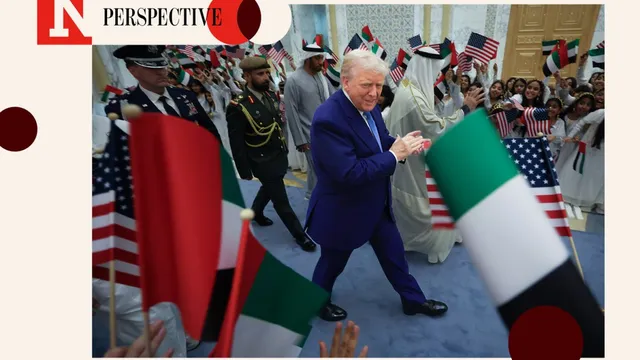
UAE quits OPEC amid rising tensions in the Middle East
UAE quits OPEC amid rising tensions in the Middle East
- The UAE will leave OPEC and OPEC+ on May 1, 2026, as a response to increasing regional tensions.
- This exit is expected to strengthen UAE's position in the oil market by allowing greater production freedom.
- Experts warn that the UAE's departure is a serious blow to OPEC, potentially leading to further instability within the organization.
Story
The United Arab Emirates has announced its departure from the Organization of the Petroleum Exporting Countries (OPEC) and OPEC+ effective May 1, 2026. This significant move follows nearly 60 years of UAE membership and is viewed as a direct consequence of escalating tensions in the region, particularly due to ongoing conflicts involving Iran. The UAE's decision reflects its desire to pursue its strategic and economic goals more independently, allowing it to boost oil production without the restrictions imposed by OPEC quotas. The announcement comes at a time of unprecedented instability in oil markets, driven by geopolitical factors and the stalled peace negotiations between the U.S. and Iran. U.S. crude oil prices had recently surpassed the $100 per barrel mark, influenced by disruptions in the Strait of Hormuz, a critical maritime route for oil transport. With a background of previous frustrations regarding production limits imposed on the UAE, the situation allowed Abu Dhabi to reconsider its membership, aiming to leverage its capacity more effectively in the market. Experts suggest that this exit could represent a major shift in the dynamics of OPEC, reducing the organization's influence as it loses around 15% of its production capacity, along with one of its most compliant members. Tensions seemed to rise further due to concerns over Iranian aggressiveness and strained UAE-Saudi relations, which may lead to more member countries considering their positions within OPEC. While the UAE government has communicated that it will act responsibly in terms of oil production after its exit, this decision has major ramifications for global energy markets. It signifies a potential weakening of OPEC, altering the landscape that has governed oil markets for decades. With recent global energy demand trends indicating sustained growth, the UAE aims to capitalize on its production capabilities to enhance its economic standing while reducing reliance on collective production decisions that may not align with its national interests.
Context
The Organization of the Petroleum Exporting Countries (OPEC) was founded in 1960 in Baghdad, Iraq, with the goal of coordinating and unifying the petroleum policies of its member countries and ensuring the stabilization of oil markets. The founding members included Iran, Iraq, Kuwait, Saudi Arabia, and Venezuela. OPEC was created in response to the growing influence of multinational oil companies and the need for oil-producing nations to have a greater say in the control of their natural resources and the prices of oil. Over the years, OPEC has expanded its membership, welcoming countries such as Libya, Nigeria, and the United Arab Emirates, among others, with a current total of 13 member nations as of 2023. The organization has played a crucial role in regulating oil production and prices by setting production quotas for its members, especially during times of geopolitical instability and economic crises. The impact of OPEC on the global oil market has been significant. In the 1970s, OPEC's decision to impose an oil embargo led to a sharp rise in oil prices, causing economic upheaval in many industrialized nations. This marked a turning point that demonstrated the power of oil-exporting countries in the global economy. In the years that followed, OPEC has had to adapt to changing energy dynamics, including the rise of non-OECD oil production and the emergence of alternative energy sources. Despite facing challenges such as internal disputes among member nations and competition from shale oil production in the United States, OPEC has managed to maintain its influence through strategic alliances, such as the cooperation with non-OPEC countries like Russia in the OPEC+ agreement that commenced in 2016. The role of member countries within OPEC has been varied, with some wielding more influence than others due to their production capacity and market share. Saudi Arabia, for instance, is often considered the de facto leader of OPEC, due to its vast reserves and ability to adjust production levels to influence global oil prices effectively. Other significant members include Iraq and the United Arab Emirates, which also contribute substantial volumes to global oil supply. The dynamics within OPEC can often reflect broader geopolitical trends and tensions, as alliances shift, and new players emerge in the energy landscape. Furthermore, the organization's decisions can have far-reaching consequences not just for member countries, but for global economy, energy security, and environmental policies worldwide. As the world shifts towards renewable energy and grapples with climate change, the future of OPEC and its member nations faces significant challenges. The organization’s ability to adapt to the growing demand for cleaner energy sources while managing the transition from fossil fuels will be critical in determining its relevance in the coming decades. OPEC's member countries will need to diversify their economies and invest in sustainable energy practices while balancing their reliance on oil revenues. The ongoing global transition represents both a challenge and an opportunity for OPEC, as it navigates a path that embraces change while striving to uphold its founding principles.


