

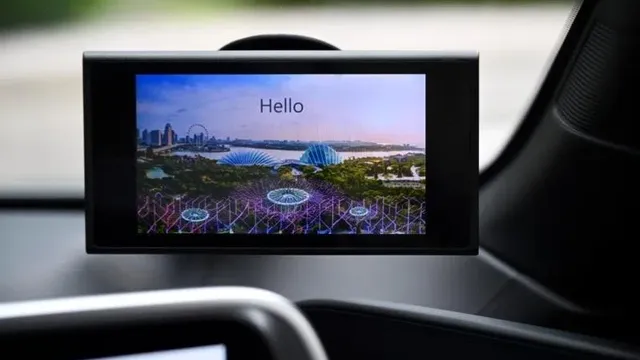
Singapore mandates on-board units for all vehicles by 2027
Singapore mandates on-board units for all vehicles by 2027
- All registered vehicles in Singapore will be required to have an on-board unit from January 1, 2027.
- The Land Transport Authority will send reminders for OBU installation starting February 15, 2026, with a three-month grace period.
- The new regulations aim to enhance road safety and combat illegal vehicle modifications, reinforcing the government's commitment to improving transport safety.
Story
In Singapore, a significant overhaul of the transport regulations is underway with the introduction of a new electronic road pricing system set to commence on January 1, 2027. The Land Transport Authority (LTA) has emphasized the necessity for all registered vehicles to be equipped with an on-board unit (OBU) to facilitate the upgraded ERP system. Vehicle owners who do not have an OBU will receive a final warning from the LTA starting February 15, 2026, before facing fees for installation. This initiative aims to enhance the system's accuracy in monitoring road congestion compared to its predecessor, which will be phased out. The Parliament of Singapore recently passed the Land Transport and Related Matters Bill, which also introduces stricter regulations for mobility scooter users. As part of the new rules, users must obtain a Certificate of Medical Need by June 1, 2026, with certain exemptions for senior citizens. Mobility scooters are required to be registered, and enforcement of these regulations begins on January 1, 2029. Additionally, other changes include increased penalties for illegal vehicle modifications and for using unregistered vehicles, which have been linked to rising crime rates and safety concerns on the roads. Further discussions among lawmakers revealed that the LTA is focused on eliminating vehicles using traditional methodologies for toll charging, consequently transitioning to a more technologically advanced approach with the ERP 2 system that functions through satellite technology. This move is designed to alleviate traffic congestion and ultimately improve road safety by preventing unauthorized modifications that can lead to accidents. The need for a proactive approach was highlighted, considering there are over a thousand reported cases of illegal vehicle modifications annually. In addressing concerns regarding privacy stemming from data collection through OBUs, the Minister confirmed that security measures are in place to protect user data. The LTA also clarified it would utilize anonymized data for traffic management purposes, thereby ensuring the information collected will not compromise users' privacy. This comprehensive range of measures indicates the Singaporean government’s intent to regulate both vehicle usage and personal mobility aids effectively, ensuring safety and compliance on its roads.


