military conflicts
provocative
impactful

Ukrainian drone attack disrupts Grozny amid stalled peace talks

Dec 5, 2025, 12:53 PM10
(Update: Dec 5, 2025, 12:53 PM)
country in Eastern Europe
capital city of the Chechen Republic, Russia
state in the United States of America
sovereign state in Eastern Europe and Northern Asia
fortified complex in Moscow, Russia

Ukrainian drone attack disrupts Grozny amid stalled peace talks

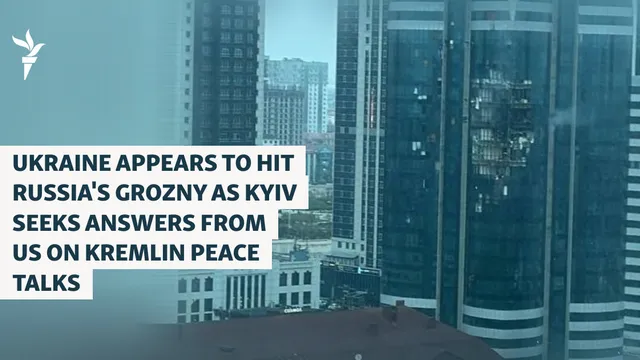
  • A Ukrainian drone attack hit Grozny, Chechnya, causing significant damage to a high-rise building and nearby structures.
  • The attack occurred shortly after Ukrainian negotiators met with U.S. officials to gain insight into Russian peace terms.
  • The ongoing conflict remains unresolved, with both sides entrenched in their positions and peace efforts facing significant hurdles.
Share opinion
Tip: Add insight, not just a reaction
1

Story

On December 5, 2025, a suspected drone attack linked to Ukraine targeted the Chechen capital, Grozny. The assault took place just hours after Ukrainian negotiators held discussions with U.S. officials in Florida, seeking insight into a Kremlin meeting about ending the ongoing war in Ukraine. Social media footage showed significant damage to a high-rise building close to the residence of Chechen leader Ramzan Kadyrov. Multiple explosions reportedly occurred in the North Caucasus region following the initial strike, although there were no recorded casualties from these incidents. The context of the drone strike is framed by ongoing peace negotiations which have seen limited success. Ukrainian President Volodymyr Zelenskyy demanded clear information about Russian terms for peace after recent meetings, emphasizing Ukraine's readiness for negotiations despite harsh Russian conditions. Russian President Vladimir Putin reiterated his firm stance on Ukraine's military force and territorial sovereignty during these discussions, suggesting that either military liberation of territories or a withdrawal of Ukrainian troops was required. The meeting between the Ukrainian negotiators and U.S. officials highlighted the complexities of the ongoing conflict and indicated the difficulties in achieving a resolution. U.S. special envoy Steve Witkoff, among those involved, has made multiple trips to Moscow, yet the situation remains precarious. This emphasizes the challenges faced in fostering dialogue aimed at ceasing hostilities and addressing Ukraine’s interests in a manner acceptable to all parties involved. While the recent strikes may signal a shift in tactics or sentiment from Ukraine, the overarching situation reflects a broader struggle for both diplomatic advancement and military integrity. Russian hardline demands continue to create barriers, prompting Kyiv and its allies to search for viable alternatives in peace strategies that may lead to a solution to the conflict in Ukraine.

Context

The ongoing conflict between Ukraine and Russia has been a focal point of international diplomacy for many years, with numerous attempts at peace negotiations since the beginning of hostilities in 2014. As of December 2025, the situation remains fluid, and the recent peace talks have brought about renewed hope for a resolution. Significant diplomatic efforts have been made by various parties, including the United Nations, the European Union, and individual nations, to bring Ukraine and Russia back to the negotiating table. These discussions focus on essential issues such as territorial integrity, the status of Crimea, security guarantees, and economic support to aid in rebuilding affected areas in Ukraine. As the talks progress, both Ukraine and Russia are under increasing pressure to reach a consensus. Ukraine seeks assurances of sovereignty and territorial integrity, particularly in the Donetsk and Luhansk regions, which have experienced extensive conflict and support from Russian-backed separatists. On the other hand, Russia is aiming to solidify its influence in the region while facing global criticism for its actions. The dynamics of the negotiations have been complicated by broader geopolitical considerations and the involvement of NATO, which plays a strategic role in the security landscape of Eastern Europe. While several rounds of discussions have taken place, progress has been incremental, with both sides occasionally retreating to entrenched positions. Notably, recent agreements have included temporary ceasefires to facilitate humanitarian aid and the return of prisoners of war. These steps are seen as vital building blocks for more comprehensive negotiations. The international community remains vigilant, offering support for constructive dialogue while condemning any escalations of violence that threaten peace efforts. As of now, optimism exists that the ongoing peace talks may lead to a longer-lasting ceasefire and possibly pave the way for a formal peace agreement. Nevertheless, the complexities involved in reconciling diverging political agendas and regional security concerns pose substantial challenges. The future of Ukraine-Russia relations hinge not only on the outcomes of these talks but also on the broader international landscape, which continues to influence domestic pressures within both countries. The situation is tightly monitored by global powers, and any resolution will likely require unprecedented compromise from both parties to ensure stability in the region.

2026 All rights reserved