
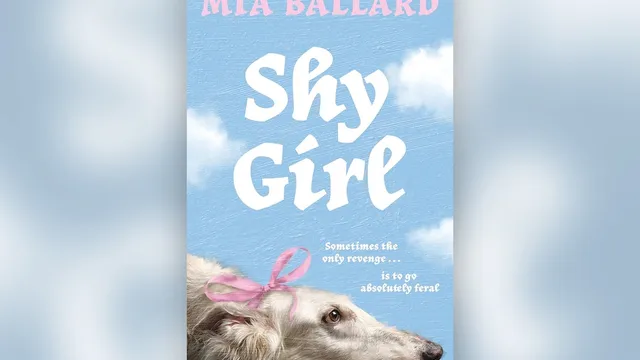
Publisher cancels Shy Girl after AI writing allegations
- Hachette Book Group canceled the release of the horror novel Shy Girl after allegations of AI involvement in its writing.
- Author Mia Ballard denied using AI herself, attributing the issue to an acquaintance who edited the novel.
- The controversy has sparked significant debate about the implications of AI use in literature.
Story
In March 2026, Hachette Book Group made the surprising decision to cancel the publication of the horror novel Shy Girl by Mia Ballard amid allegations that it was generated with the assistance of artificial intelligence. The novel had originally self-published in February 2025 and was released in the UK, where it sold roughly 1,800 copies. However, after The New York Times raised concerns about the book's authenticity, citing evidence of AI-generated elements, Hachette decided to review the text for authenticity. Following this review, the company's Orbit imprint decided against publishing the novel in the U.S., which led to its removal from Amazon and Hachette's websites just days before its scheduled release. Mia Ballard, described as a poet and fiction writer based in Northern California, refuted the allegations claiming that she did not personally use AI during the writing process. Instead, she contended that an acquaintance she hired to edit the self-published version had employed AI technology. The allegations created considerable distress for Ballard, who stated that her mental health had significantly deteriorated due to the surrounding controversy. She expressed that her reputation was at stake for something she didn’t directly do and mentioned the possibility of pursuing legal action. The controversy surrounding Shy Girl has raised broad concerns regarding the increasing presence of AI in literature and the potential implications for authorship and creativity. Industry insiders and readers alike have expressed strong opposition to AI-assisted writing, viewing it as a form of cheating and theft. Many challenges lie ahead for traditional publishers in navigating the new landscape where AI-generated writing is becoming more prevalent, often difficult to distinguish from human-generated content. The fallout from this incident is emblematic of a growing concern in the publishing world where original creative expression is at risk due to the rise of AI tools amongst writers. As the incident has developed, it highlights the complicated relationship between authors, editors, and evolving technology. Critics of AI in literature argue it undermines the effort and creativity that traditional writing embodies, turning original storytelling into perceived robotic feeding of algorithms. With publishing houses increasingly focused on authenticity and originality, the question remains how they can uphold these values in an era defined by technological advances that are reshaping the creative process.
Context
The impact of artificial intelligence (AI) on writing and literature is an evolving subject, ushering in both opportunities and challenges for authors, publishers, and readers alike. AI technologies, particularly those related to natural language processing (NLP), are transforming how content is created, analyzed, and consumed. Writers are increasingly utilizing AI-assisted tools to enhance their creativity, streamline the writing process, and improve the quality of their work. For instance, AI can provide suggestions for grammar, style, and content, while also generating ideas based on prompts provided by the user. This synergy between human creativity and machine efficiency is redefining traditional writing paradigms, allowing for a more collaborative approach to storytelling and content development. Moreover, AI's influence extends into the literary market itself. With machine learning algorithms analyzing vast amounts of data, AI can predict trends in reader preferences and market demands, enabling publishers to tailor their offerings more effectively. This enhances the potential for personalized reading experiences, as recommendations can be curated based on individual reader habits. However, the rise of algorithm-generated content raises ethical questions regarding authorship, originality, and the value of human creativity in the literary landscape. The balance between leveraging AI tools and maintaining the authenticity of a writer's voice is a critical consideration as the industry adapts to technological advancements. Additionally, the democratization of writing enabled by AI tools is noteworthy. Aspiring writers can access resources that were once exclusive to those with formal training or experience. AI writing assistants can provide guidance to novice authors, empowering them to overcome common barriers such as writer's block or lack of confidence. This potential for inclusivity can broaden the literary landscape, introducing diverse voices and perspectives previously marginalized or overlooked. However, it also calls for critical discourse around quality control, as the ease of content generation may lead to an influx of poorly constructed work that undermines established literary standards. In summary, the impact of AI on writing and literature presents a dual-edged sword. While it encourages innovation, productivity, and inclusivity, it simultaneously challenges the conventional notions of authorship and quality in literary creation. As AI continues to evolve, so too will the dialogue surrounding its implications for the writing community and the future of literature. Navigating this complex terrain requires a thoughtful approach that embraces technological advancements while safeguarding the intrinsic value of human creativity and literary expression.
