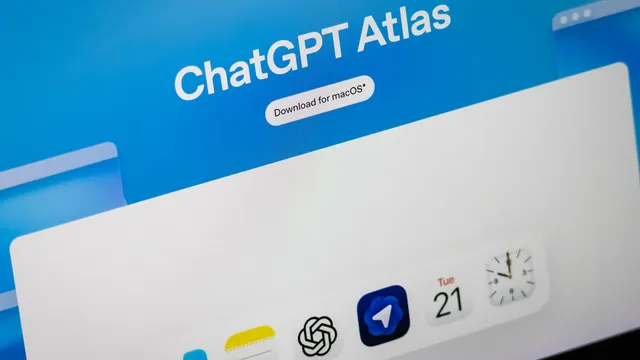
In April 2023, researchers presented their findings at the Agents in the Wild Workshop in Rio de Janeiro, Brazil, highlighting significant security vulnerabilities in AI web browsers. These browsers, which integrate AI agents like ChatGPT's Atlas, are designed to enhance user experience but have inadvertently compromised user privacy. The study revealed that many popular AI browsers bypass the same-origin policy, a crucial security measure that prevents different websites from interacting with each other. This flaw could allow malicious websites to access and share personal information without user consent.
The researchers examined seven AI browsers, including Atlas, Claude for Chrome, Brave Leo AI, Chrome with Gemini, Microsoft Edge with CoPilot, Firefox AI Mode, and Perplexity Comet. They found inconsistencies in how these browsers operate, likely due to a lack of standardization in security protocols. The same-origin policy is essential for protecting users, as it prevents potentially harmful content from one site from affecting another. However, AI browsers require broader access to web content, which increases the risk of data exposure.
The study's findings raised concerns about the implications of integrating AI agents into web browsers. While these agents can provide enhanced functionality, they also pose significant security risks. The researchers specifically cautioned users about browsers like Claude for Chrome, Atlas, and Comet, which have strong capabilities but also greater vulnerabilities. In contrast, they identified Brave and the agentic versions of Edge and Firefox as having stronger security due to their limited agentic features.
As companies rush to release AI browsers amid competitive pressure, the researchers emphasized the need for a standardized security model. They questioned how to balance the rich functionality of AI agents with the essential security measures that protect user data. The ongoing development of AI web browsers must prioritize user safety to prevent potential data breaches and maintain trust in these emerging technologies.