

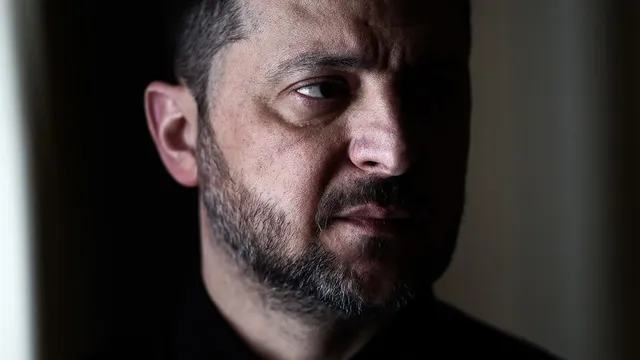
Zelenskyy expresses frustration over stalled peace efforts amid ongoing war
Zelenskyy expresses frustration over stalled peace efforts amid ongoing war
- Zelenskyy marked the fourth anniversary of Russia's invasion expressing frustration over stalled peace talks.
- The toll of the war has led to nearly half a million military deaths and devastating conditions for Ukrainian civilians.
- Zelenskyy's insistence on acknowledging sacrifices reflects a deep commitment to Ukrainian sovereignty amidst ongoing conflict.
Story
On Tuesday, February 24, 2026, as the war entered its fifth year, President Volodymyr Zelenskyy of Ukraine conveyed increasing frustration regarding stalled peace negotiations with Russia. The anniversary marked not only the continuation of hostilities but also the heavy toll on both Ukrainian and Russian military personnel, with estimates nearing half a million dead and 1.5 million wounded or missing since the invasion's inception. Zelenskyy criticized the Kremlin for its rigid demands and historical justifications for the war while assuring the Ukrainian people that their sacrifices would not be overlooked in any diplomacy efforts. In his address, Zelenskyy urged for discussions that respect the sacrifices made by Ukrainian citizens over the years of conflict. He stated his reluctance to embrace diplomatic efforts that compromised the hard-earned integrity of Ukraine. Russian President Vladimir Putin has remained adamant about his goals, notably the complete control of Ukraine's eastern Donbas region, despite Ukraine's resistance. The Kremlin's approach seems grounded in a commitment to their historical narratives, which adds to the complexity of achieving a resolution. As the Russian military observes national commemorations and family members remember those lost in the war, the psychological and social ramifications of the conflict become increasingly apparent. Analysts note that Zelenskyy's frustrations and the lack of compromise from the Russian side have led to heightened tensions and could prolong the conflict if no significant changes occur. Furthermore, the ongoing situation is compounded by the notable humanitarian crisis as millions in Ukraine face dire living conditions amidst continual bombardments. Zelenskyy highlighted support from allied nations, such as promises of ongoing assistance from the UK, which underscored the international dimension of the conflict. With domestic public sentiment favoring continued resistance, Zelenskyy signaled readiness for a prolonged struggle to uphold Ukrainian sovereignty, indicating the complexities and challenges that lie ahead in seeking peace.
Context
The prolonged war in Ukraine has significantly shaped the fabric of its society, driving deep-seated changes across various dimensions of life. Societal impacts stemming from the ongoing conflict are multifaceted, influencing demographics, community structures, and everyday life for millions of Ukrainians. Many regions have witnessed substantial displacements, with a considerable number of individuals fleeing to safer areas or abroad in search of stability and security. This mass movement has led to demographic shifts, altering the population dynamics and straining resources in host communities, while simultaneously creating challenges for those displaced regarding integration and access to essential services. Furthermore, these displacements have affected the labor market, contributing to unemployment and instability among those who've lost their means of livelihood, thus amplifying societal anxieties surrounding economic and social security. Alongside demographic changes, the war has birthed a resilient spirit among the Ukrainian populace. Citizens who remain have developed strong networks of support, whether through grassroots organizations or community coalitions aimed at aiding those affected by the conflict. This solidarity has been crucial in reinforcing social bonds and fostering a sense of collective identity, as shared experiences of hardship often bring about stronger ties within communities. Moreover, various media and cultural initiatives have emerged in response to the conflict, seeking to document and disseminate personal stories from the war, thus preserving Ukrainian narratives and fostering a sense of national pride. However, alongside this resilience, the psychological toll of the war remains profound, with many experiencing trauma, grief, and anxiety due to ongoing violence and uncertainty about the future. Education has also been significantly disrupted due to the war, with many educational institutions damaged or repurposed for military use, leading to a generation of youth facing educational interruption and loss of opportunities. This has resulted in a critical shortage of qualified teachers and the deterioration of formal education systems, raising concerns regarding the long-term impact on the country's human capital. Additionally, as educational programs adapt to the circumstances, there is a growing emphasis on providing trauma-informed care within educational settings, aiming to address the psychological needs of students affected by the unrest. As the situation evolves, the challenge remains to ensure that education remains accessible and relevant, equipping young Ukrainians with the skills necessary to rebuild their lives and their country post-conflict. The economic repercussions stemming from the ongoing conflict have exacerbated existing societal issues and created new ones. With vital industries facing destruction or stagnation, the war has inflicted severe damage to Ukraine's economic landscape, leading to inflation and increasing food insecurity. The humanitarian situation continues to deteriorate, prompting urgent calls for international assistance, as many households struggle to meet basic needs. Viewed together, the interplay of these factors illustrates a society grappling with the profound effects of prolonged conflict. Ukrainians’ collective efforts towards resilience and recovery highlight their profound strength as they navigate through the complexities brought on by the war, yet the road ahead remains fraught with challenges that require sustained attention and support from both domestic and international spheres.


