

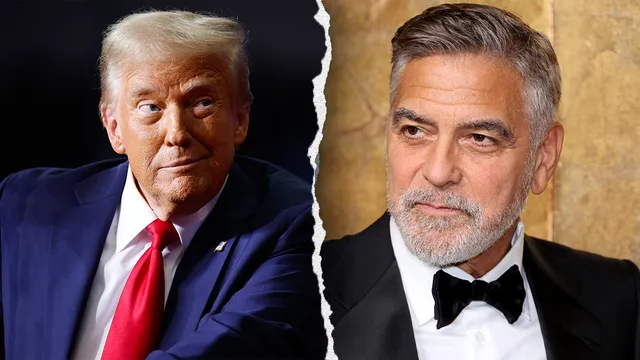
Paramount and CBS settle $30 million lawsuit with Trump
Paramount and CBS settle $30 million lawsuit with Trump
- Donald Trump filed a lawsuit against CBS News, alleging election interference over Kamala Harris's interview.
- Paramount settled the lawsuit for over $30 million, leading to internal discontent among CBS staff.
- The cancellation of 'The Late Show with Stephen Colbert' followed the settlement, highlighting the ongoing struggles of Paramount and CBS.
Story
In 2025, Paramount Global and CBS News faced significant challenges after a tumultuous period marked by legal battles and internal strife. Following an interview with then-Vice President Kamala Harris, Donald Trump filed a lawsuit against the network alleging 'election interference' due to claims of deceptive editing. The controversy escalated as CBS staff voiced their concerns regarding the handling of the situation, resulting in an eventual decision by company leadership to settle the lawsuit. After months of tense negotiations, the settlement was reached in July and included a significant payout designed to secure a favorable environment amidst ongoing media mergers. The settlement amounted to over $30 million, including provisions for Trump's presidential library. Critics accused Paramount of compromising journalistic integrity for financial gain, as the decision appeared politically motivated in light of the ongoing merger discussions. The outrage was exacerbated when CBS subsequently announced the cancellation of 'The Late Show with Stephen Colbert,' which had been running at a substantial loss for the network. This cancellation was viewed by many as a direct response to the pressure generated by the lawsuit and the political climate surrounding Trump's influence. In the months that followed, industry changes continued as David Ellison took control of Paramount, initiating significant layoffs and appointing new leadership focused on redefining the company's media strategy. Under Ellison's helm, CBS News brought in Bari Weiss, which raised concerns amongst staff regarding potential bias in reporting. Weiss had been a polarizing figure, and many despaired over her perceived undermining of CBS's traditional journalistic standards. Several prominent voices in Hollywood, including George Clooney, publicly criticized the direction of CBS News under this new leadership, expressing fears for the future of press accountability in the current political landscape. The discussions surrounding this settlement and the broader implications for the media landscape underscored the tensions between corporate interests and journalistic integrity. Observers noted that the decisions made by media companies could have lasting effects on public trust and the ability to hold political figures to account. As 2025 unfolded, the repercussions of the settlement and the subsequent cancellation were felt deeply across the industry, prompting debates about the role of media in a democracy and the impact of financial pressures on reporting standards and practices.
Context
The impact of Donald Trump's lawsuits on media companies has been significant and multifaceted, shaping not just the narrative around his persona but also influencing the broader landscape of journalism and media operations. Trump's persistent legal battles, often waged against news organizations and journalists, have raised critical questions about press freedom, the accountability of media entities, and the intersection of politics and law. These lawsuits, often characterized by claims of defamation, have led media companies to reassess their reporting practices and legal strategies as they navigate the complexities of covering a high-profile political figure with a contentious relationship with the press. Media companies have responded to Trump's lawsuits with a heightened sense of caution, leading to a re-evaluation of editorial policies and practices. The fear of potential litigation has prompted some news outlets to adopt more rigorous fact-checking protocols and legal vetting processes before publishing stories involving Trump. As a result, there is a growing emphasis on responsible journalism that prioritizes accuracy over sensationalism. Furthermore, the financial implications of these lawsuits cannot be overlooked, as media organizations divert resources towards legal defenses, which may impact their overall operational capacities and the scope of their reporting. In addition to immediate operational adjustments, Trump's lawsuits have also contributed to an evolving public perception of both the media and the political landscape. Supporters of Trump often view media coverage of him through a skeptical lens, perceiving allegations of bias or unfair treatment. This has intensified the ongoing polarization surrounding media narratives and has resulted in the proliferation of alternative media outlets that align more closely with Trump's messaging. Consequently, traditional media companies have faced challenges in maintaining credibility and audience trust amidst a rapidly changing information environment. As the legal battles continue to unfold, the long-term consequences of Trump's lawsuits on media companies remain to be seen. However, it is clear that these events have catalyzed significant shifts in media practices and audience engagement strategies. The ramifications extend beyond the journalists and news organizations directly involved; they reflect a broader societal debate about the role of the press in democracy and the protections afforded to free speech. Ultimately, the ongoing tensions between Trump and media companies illustrate a critical moment in the evolution of modern journalism and its relationship with political power.


