

Lincolnshire solar farm project faces strong objections over landscape impact
Lincolnshire solar farm project faces strong objections over landscape impact
- Fosse Green Energy Limited has proposed a solar farm in Lincolnshire covering 3,000 acres.
- Lincolnshire County Council raised significant concerns about the project's impact on the landscape and local tourism.
- The final decision about the solar farm project is expected later this year.
Story
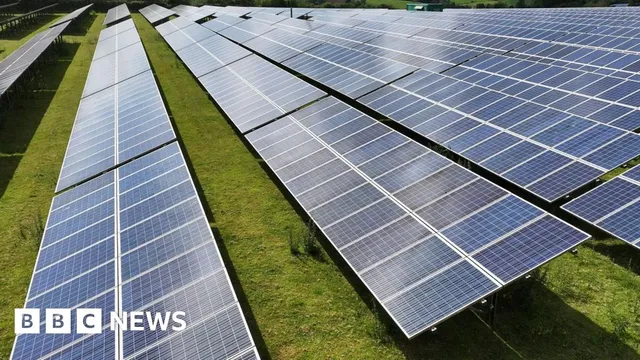
In Lincolnshire, England, a significant solar farm project has been proposed by Fosse Green Energy Limited, aiming to install solar panels on approximately 3,000 acres of land to the south of Lincoln. If granted, the development consent order would permit the solar farm to remain in place for 60 years, until about the year 2090. The construction of the solar farm is estimated to potentially begin in 2031, with energy generation anticipated to start in 2033, providing power to approximately 110,000 homes. Additionally, the proposal includes the establishment of a battery farm and associated infrastructure, which would entail the installation of cables towards a new substation in Navenby. Despite these potential benefits of renewable energy generation, the plans have faced strong objections from Lincolnshire County Council. During a meeting, council members highlighted concerns that the project would significantly alter the region's rural landscape, ultimately transforming a substantial portion of the county for generations to come. Moreover, council members warned that the solar farm could occupy an overwhelming 51% of all land within the parish boundary, which raised alarms about the impact on local tourism and the surrounding environment. Residents have also expressed their discontent with the proposal. At the council meeting, numerous residents presented a collection of 500 letters opposing the project. The residents voiced worries regarding the loss of farmland, adverse effects on mental health, and the overall industrialization of a previously rural area. Although some changes to the plans were initiated following community feedback in 2024, opposition remains strong among certain factions of the community. As the situation unfolds, Lincolnshire County Council plans to submit a comprehensive report to the government, outlining the various concerns raised by council members and residents alike. A final decision regarding the solar farm project is expected later this year, potentially influencing the future landscape and energy infrastructure in Lincolnshire.
Context
The impact of solar farms on local landscapes is a subject of significant importance, especially as efforts to transition to renewable energy sources accelerate. Solar farms, defined as large installations of photovoltaic panels, have the potential to alter the visual and environmental aspects of the areas in which they are developed. With the increasing number of solar projects being constructed around the world, it is crucial to evaluate how these developments influence local ecosystems and the aesthetic quality of landscapes. Historically, environmental assessments have emphasized the benefits of solar energy, including reductions in greenhouse gas emissions and dependency on fossil fuels. However, the physical presence of solar farms can lead to alterations in land use. Agricultural fields may be repurposed for solar energy generation, potentially impacting local farming economies and food production. Furthermore, the installation of solar panels can disrupt natural habitats, affecting local flora and fauna by fragmenting ecosystems. Careful planning and stakeholder engagement are necessary to ensure that the benefits of solar energy are realized while minimizing adverse effects on the landscape and biodiversity. Moreover, the visual impact of solar farms can evoke mixed reactions from local communities. Some individuals appreciate the transition to cleaner energy, while others may perceive solar farms as an eyesore, particularly in picturesque or historically significant areas. The design and placement of solar installations play a crucial role in mitigating visual impacts. Techniques such as planting vegetation around the perimeters or utilizing solar panel designs that blend more harmoniously with the environment can help alleviate aesthetic concerns. Engaging local communities in the design process can result in more acceptable solar developments, fostering a sense of ownership and alignment with community values. In conclusion, while solar farms contribute significantly to sustainable energy goals, their impacts on local landscapes must be carefully managed. It involves balancing the need for renewable energy with the preservation of local ecosystems and community sentiments. Through thoughtful planning, community engagement, and innovative design approaches, it is possible to integrate solar farms into local landscapes in a way that supports both energy production and environmental stewardship.


