

Two teenagers arrested after shooting at Louisiana parade injures five
Two teenagers arrested after shooting at Louisiana parade injures five
- A shooting occurred during the Mardi Gras in the Country parade in Clinton, Louisiana, injuring multiple bystanders.
- Five people were reported injured, including a 6-year-old child, prompting a swift law enforcement response.
- Two teenagers were arrested and charged following the incident, raising concerns about public safety at community events.
Story
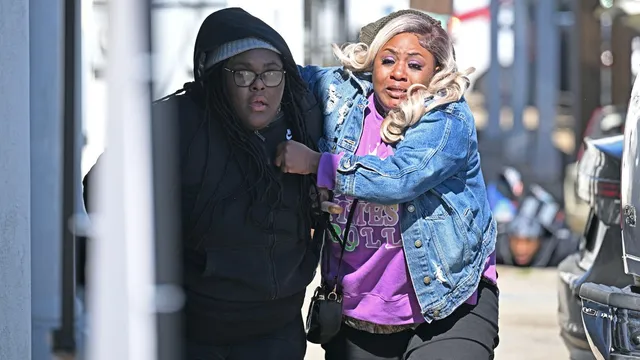
On Saturday, February 1, 2026, a shooting incident occurred during the Mardi Gras in the Country parade in Clinton, Louisiana, leading to multiple injuries. The event, which had just started around noon, saw gunfire erupt near the East Feliciana Parish Courthouse, prompting crowd panic as bystanders sought cover. At least five individuals were reported injured, including a 6-year-old child. Initial reports indicated that three individuals were detained; however, it wasn't immediately clear if they were directly involved in the shooting. As chaos ensued, law enforcement agencies worked swiftly to secure the area and investigate the incident. Sheriff Jeff Travis addressed the media following the shooting, noting the rapid response from law enforcement present at the parade. He indicated that everyone injured in the shooting was expected to survive, a small relief amid the turmoil. Investigators began piecing together the details of the incident, looking into suspects and the motives behind the attack. As information unfolded, two teenagers, aged 19 and 15, were ultimately charged with attempted murder, among other felonies, showing how quickly law enforcement acted in the wake of the shocking event. The local community felt the impact of this tragic incident deeply. Residents expressed their disbelief that such violence could occur in their small town during a beloved family-friendly event. State officials, including Louisiana Governor Jeff Landry, condemned the violence, labeling it “absolutely horrific and unacceptable.” There was a significant focus on ensuring that similar events remain safe for family gatherings, prompting discussions about public safety measures during large gatherings, especially given that this was Mardi Gras season in Louisiana. The east side of the state, where Clinton is located, typically experiences festive celebrations but is also grappling with increasing concerns about safety at public events. As investigators sought additional evidence, including photos or videos from the crowd, they highlighted the need for community engagement in maintaining safety during such occasions. They urged anyone with information to assist law enforcement in their ongoing investigations, emphasizing the importance of community collaboration to prevent future incidents.
Context
The history of violence during Mardi Gras parades in Louisiana is a complex narrative embedded within the cultural tapestry of the region. Mardi Gras, celebrated with vibrant parades, elaborate costumes, and spirited festivities, has also been marred by incidents of violence that reflect broader societal issues, such as racial tensions, alcohol-related disturbances, and the challenges of crowd management. Understanding this history requires examining specific events, the roots of these conflicts, and the measures taken to enhance safety during the celebrations. Historical accounts detail occurrences of violence ranging from fights among revelers to more serious criminal acts, often exacerbated by the intoxication of attendees, creating an environment where disagreements could escalate quickly. Such incidents have at times resulted in injuries and even fatalities, prompting a reassessment of safety protocols at various parades over the years. The Mardi Gras season in Louisiana can be traced back to early French settlers, and with it came elements of both celebration and conflict. Over the decades, parades transformed from small community gatherings into massive public spectacles. The increase in attendance often correlated with a rise in disorderly conduct, as large crowds can lead to chaos and difficulty in law enforcement maintaining order. Notorious events, such as the 1991 shooting incident in New Orleans during a parade, highlighted vulnerabilities in crowd control and led to significant changes in police protocols. Officials recognized the need for enhanced collaboration between parade organizers and law enforcement to mitigate risks and ensure a safer environment for all participants and spectators. In response to historical violence during Mardi Gras, organizations have implemented several safety measures aimed at reducing incidents. Increased police presence, establishment of designated alcohol zones, and stringent regulations regarding weapons and dangerous objects have been introduced to protect patrons from potential harm. Furthermore, the integration of security personnel into the planning of parades has become crucial, ensuring that there are swift responses to any disturbances. Education campaigns emphasizing responsible drinking and respectful behavior among parade-goers have also been initiated, aiming to foster a culture of safety and camaraderie during the festivities. These proactive steps reflect a commitment to preserving the joyous spirit of Mardi Gras while prioritizing public safety. Despite these efforts, the history of violence during Mardi Gras parades serves as a reminder of the challenges posed by large public gatherings. Understanding this history is essential not only for enhancing safety measures for future events but also for recognizing the cultural significance of Mardi Gras as a festival deeply rooted in community identity. The continuous evolution of safety protocols in response to past incidents illustrates a responsive approach to ensuring that the celebration can occur joyfully without the overshadowing threat of violence. As Mardi Gras continues to evolve, it is imperative that an awareness of its historical context informs both the planning and execution of the celebrations to celebrate the rich cultural heritage of Louisiana safely.


