In recent months, the Gulf states have faced increasing threats from Iran, particularly following the outbreak of conflict that began at the end of February. The Iranian regime has launched sustained attacks on civilian infrastructure, including airports and power plants, which has severely impacted the economies of the six Gulf Arab nations. The situation has been exacerbated by Iran's blockade of the Strait of Hormuz, a critical passage for oil exports, leading to heightened tensions in the region. As a result, the Gulf states have been forced to reconsider their security strategies and alliances, particularly in light of the direct threats posed by Iran.
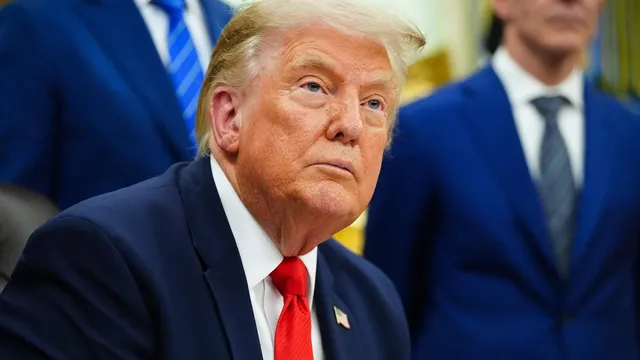
The United States, under President Donald Trump, has maintained a stance of potential military engagement, suggesting that it has the capacity to conduct a protracted war to degrade Iran's military capabilities. However, this low-intensity confrontation has come at a significant cost to the Gulf nations, which are now grappling with the economic fallout from ongoing hostilities. The attacks have left these countries questioning the effectiveness of their current defense strategies and the reliability of U.S. support in the face of Iranian aggression.
As the conflict continues, the Gulf states are divided in their responses to Iran. Some nations, like Bahrain, have taken a more hawkish stance, openly opposing Tehran and hosting U.S. military forces. Others, however, are more cautious, weighing the risks of further escalation against the need for security. The recent missile strikes on Abu Dhabi have led the UAE to sever diplomatic ties with Iran, highlighting the urgency of the situation and the need for a unified response among Gulf nations.
The ongoing war has created a precarious situation for the Gulf states, which must navigate the complexities of regional power dynamics. They face a difficult choice between appeasement, which could solidify Iran's dominance, and confrontation, which may require them to enhance their own military capabilities, potentially including the pursuit of nuclear weapons. As the U.S. administration deliberates its next steps, the Gulf states are left to absorb the consequences of their decisions, with the looming threat of Iran's military capabilities hanging over them.