

Rishi Sunak warns AI is ending jobs for young graduates
Rishi Sunak warns AI is ending jobs for young graduates
- Rishi Sunak stated that AI is impacting the job market negatively for young people, causing them to face difficulties in finding entry-level positions.
- Recent graduates are increasingly opting for non-traditional employment options due to the decline of entry-level jobs, with many considering entrepreneurship and gig work.
- The current labor market presents challenges for new graduates, prompting discussions about tax reforms to promote hiring in the face of advancing technology.
Story
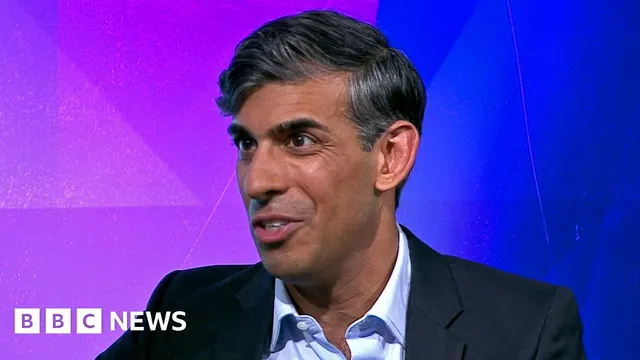
In the UK, former Prime Minister Rishi Sunak expressed concerns regarding the impact of artificial intelligence (AI) on the job market for young people during an interview with the BBC. He stated that graduates have realistic fears about their prospects for entry-level positions as AI technology advances. Company leaders have privately confirmed to Sunak that hiring young talent is becoming more challenging due to these technological changes. To counteract these trends, Sunak proposed abolishing National Insurance and shifting tax burdens onto corporate profits, allowing companies to hire more easily. This call to action comes amid a broader conversation about the evolving job landscape, particularly for recent graduates from Gen Z. Many are turning to less traditional employment paths, such as gig work, freelancing, and entrepreneurship, given the shrinking availability of entry-level roles in sectors like law and creative industries. A study from ZipRecruiter indicates that nearly 38% of Gen Z grads are considering starting their own business, highlighting an adaptive shift in how young people approach their careers. Despite some positive trends, such as an anticipated increase in graduate hiring by 5.6%, the overall job market remains precarious for new graduates. A surge in unemployment rates among recent graduates has been noted, with the rate hitting 5.6% as of December last year, compared to 4.2% for the overall workforce. The gap between employment opportunities and job seeker applications has also widened considerably, leading to a competitive atmosphere that further complicates entry into the job market. These changes underscore a significant shift in traditional hiring practices, as many graduates may need to reconsider the linear pathway of securing a full-time position immediately after graduation. Sunak's proposals and the findings from various studies indicate that while the employment landscape appears daunting, many young graduates are successfully navigating their way through the changing economy. The discussion about how to harness AI in a way that enhances productivity without displacing workers continues to resonate within the political and economic spheres, signaling the need for urgent reforms in labor and tax policies to support the younger workforce.
Context
The impact of artificial intelligence (AI) on the job market for young people is a critical area of study, particularly as technology continues to advance at an unprecedented pace. As AI systems become more capable, they demonstrate the potential to automate numerous tasks that were traditionally performed by humans. This automation can lead to both the destruction of existing jobs and the creation of new roles, compelling young individuals to adapt to an evolving labor landscape. The effects are especially pronounced for younger workers who are often the first to enter the workforce and may lack extensive experience or specialized skills to compete in increasingly automated job sectors. One of the key considerations is the displacement of entry-level positions, which are typically filled by young job seekers. Roles in sectors such as retail, customer service, and manufacturing are at heightened risk of being replaced by AI technologies. For example, self-checkout stations in grocery stores and AI-based customer support chatbots have increasingly taken over tasks that were once performed by human employees. On the one hand, these changes can lead to unemployment for young people who depend on these jobs as they begin their careers. On the other hand, AI also presents opportunities for new categories of employment that did not previously exist, particularly in the fields of technology, data analysis, and AI management. To navigate the challenges posed by AI, it is essential that educational institutions and training programs adapt their curricula to better prepare young workers for the future job market. Emphasis on skills such as critical thinking, creativity, and emotional intelligence—qualities that are less susceptible to automation—can better equip young people for success in a job market increasingly dominated by AI. Furthermore, coding and data literacy are becoming essential skills that young individuals must acquire to remain relevant in a digitized economy. Partnerships between tech companies and educational institutions could also facilitate internships and real-world experiences that enhance employability. In conclusion, while the rise of AI heralds significant transformations in the job market for young people, the outcome is not predetermined. It is imperative for stakeholders, including policymakers, educators, and industry leaders, to work collaboratively to ensure that young workers can thrive in this new economy. By focusing on adaptability, continuous learning, and specialized skill development, young individuals can find their place in a rapidly evolving job landscape dominated by AI technology.


