

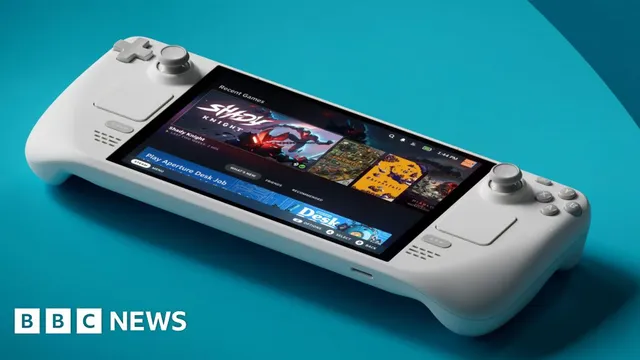
Valve raises Steam Deck prices by over 40% amid component cost surge
Valve raises Steam Deck prices by over 40% amid component cost surge
- Valve announced over a 40% price increase for Steam Deck models due to higher component costs.
- The 512GB OLED model will now sell for $789, while the 1TB model is priced at $949.
- This price adjustment highlights the growing economic challenges facing the gaming hardware industry.
Story
In March 2023, Valve announced significant price increases for its two models of the Steam Deck, a handheld gaming device. The price hike was attributed to rising costs of components such as memory and storage, reflecting the broader challenges within the gaming hardware industry. The 512GB OLED model saw a 43% increase, bringing the price to $789, while the 1TB model experienced a 46% rise, reaching $949. This change comes as the entire tech industry faces pressures from inflation, tariffs, and a shortage of key components like RAM, which has surged in price due to increased demand from various sectors, including data centers and AI technology. As Valve communicated the price adjustments, they emphasized that the actual hardware of the Steam Deck had not been altered, indicating that these changes resulted solely from external economic factors rather than adjustments in product quality. This price increase sparked disappointment among gamers, many of whom had been looking forward to acquiring the new OLED model, officially launched in November 2023. Due to the price hike, questions arose about Valve’s future product developments, including the highly anticipated Steam Machine, as analysts suggested that increasing manufacturing costs might lead to reconsiderations or delays in its release. The industry has experienced a wave of price increases across various gaming hardware and subscription services recently. For instance, Sony raised the prices for the PlayStation 5 and its PlayStation Plus subscription, while Nintendo announced price hikes for the upcoming Switch 2. In contrast, Xbox lowered its Game Pass subscription price in a move that diverged from the broader trend of raising costs. As a result, current market conditions are creating a mixed and competitive environment in video game hardware and gaming services, with consumers left to navigate these new price realities.


