

Mercedes CLA wins prestigious European Car of the Year award
Mercedes CLA wins prestigious European Car of the Year award
- The Brussels Motor Show featured major brands unveiling new electric vehicles, including Kia and Peugeot.
- Kia launched the new EV2 SUV and sportier GT versions of its models during the event.
- The Mercedes CLA was awarded the European Car of the Year, highlighting its significance in the current automotive landscape.
Story
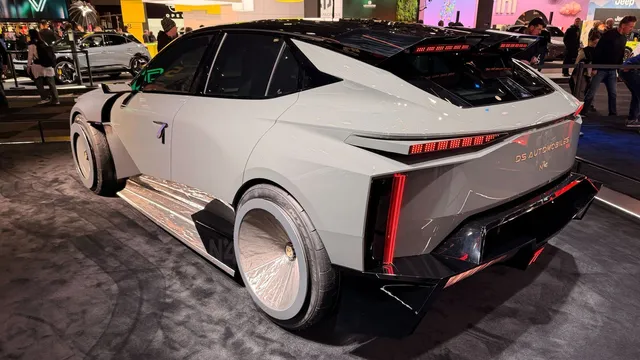
Belgium recently hosted the Brussels Motor Show, which marked a significant event in the automotive calendar. Traditionally considered a selling show rather than an international showcase, it saw a unique gathering of major car manufacturers who chose to unveil new models in the city. The event attracted prominent brands such as Kia, Peugeot, and Vauxhall/Opel, which showcased their latest electric vehicles, highlighting the increasing shift towards electric mobility in the automotive industry. Among the standout announcements was the launch of the new Kia EV2, a small SUV anticipated to hit the UK market later this year at a price around £26,000. The show also featured the DS No.4 Concept, a design collaboration involving Taylor Barnard, a British Formula E driver. Additionally, Kia introduced sportier versions of three of its models: EV3 GT, EV4 GT, and EV5 GT, complementing the growing interest in performance-oriented electric vehicles. The show marked a turning point for the Brussels Motor Show as it joined the ranks of prestigious auto shows, usually held in larger markets. Notably, during the event, the European Car of the Year award was announced, with the Mercedes CLA securing the title. This event allowed for the unveiling of new designs and models and served as a barometer for trends in the broader automotive industry. The show’s unique timing and location made it accessible for both journalists and industry executives, paving the way for increased visibility and influence in the car market. The Brussels Motor Show has grown in importance as one of the early indicators for the year in the automotive sector, further establishing itself as a key player in the global car industry landscape. Following the success of this year’s show, many are looking forward to the potential advancements in electric and hybrid vehicle technologies in future automotive events.
Context
The automotive industry is undergoing a significant transformation, propelled by the increasing adoption of electric vehicles (EVs). This trend is driven by several factors, including environmental concerns, stricter governmental regulations regarding emissions, and advancements in battery technology. As consumers become more aware of climate change and its effects, the demand for clean energy alternatives to traditional gasoline-powered vehicles is rising. Furthermore, various countries are setting ambitious targets to phase out internal combustion engine vehicles, leading automakers to pivot towards production strategies that emphasize electric mobility. Major automotive players are investing heavily in electric vehicle research and development, indicating a robust future for the EV market. In recent years, battery technology has seen remarkable improvements, addressing prevalent concerns regarding range anxiety and charging infrastructure. Modern electric vehicles boast extended ranges that can now compete with their gasoline counterparts, while rapid-charging stations are becoming increasingly ubiquitous, allowing users to recharge their vehicles quickly. Companies like Tesla, as well as traditional automakers such as Ford and General Motors, are rolling out new models that promise better performance, longer battery life, and more competitive pricing. These advancements are lessening barriers to entry for consumers and further making EVs an attractive option. In addition to battery advancements, the ecosystem surrounding electric vehicles is evolving. Public and private sectors are collaborating to enhance charging infrastructure, with investments geared towards establishing more charging stations in urban areas, workplaces, and along major highways. This growing network not only increases convenience for EV owners but also addresses concerns about range limitations, encouraging more consumers to consider electric vehicles. Additionally, the integration of renewable energy sources for charging infrastructure is aligning with global sustainability goals, thus enhancing the appeal of electric vehicles as environmentally friendly transportation options. The market landscape for electric vehicles is far from static. The competitive dynamics continue to shift as new players enter the arena, fueled by advancements in technology and changing consumer preferences. Startups are emerging with innovative solutions that challenge the traditional automaker’s approach, while established brands are ramping up their electric offerings to retain market share. The push for sustainability combined with a significant shift in consumer sentiment suggests that the electric vehicle trend is likely to gain momentum in the coming years, carving a path towards a more sustainable and economically viable automotive future.


