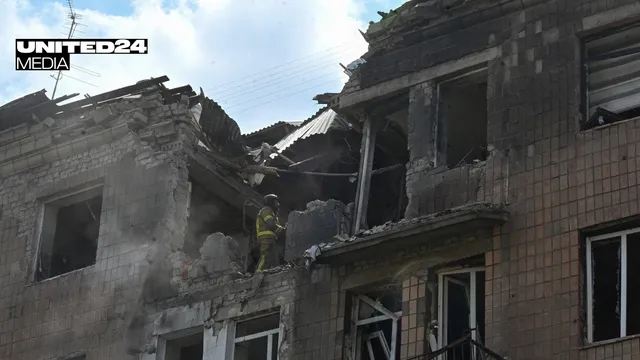
The impact of drone warfare on civilians in Ukraine has become a critical area of study, particularly in light of the ongoing conflict that has escalated since 2014. Drones have been employed extensively by various military forces, leading to significant changes in the nature of warfare and its consequences for civilian populations. The use of drones allows for precision strikes and surveillance capabilities that can minimize military casualties; however, this technology also poses severe risks to civilians, including loss of life, psychological trauma, and the destruction of infrastructure. As drone strikes often occur in populated areas, the potential for collateral damage is high, raising ethical concerns about the conduct of warfare and the protection of non-combatants.
Civilians in Ukraine have experienced the direct effects of drone warfare, with reports indicating that many have been killed or injured as a result of drone strikes. The psychological impact on communities is profound, as the constant threat of drone attacks creates an atmosphere of fear and anxiety. This psychological toll can lead to long-term mental health issues, including post-traumatic stress disorder (PTSD), particularly among children who are exposed to such violence. Furthermore, the destruction of homes, schools, and hospitals due to drone strikes exacerbates the humanitarian crisis, displacing families and disrupting access to essential services.
The international community has raised concerns about the legality and morality of drone warfare, particularly regarding adherence to international humanitarian law. The principle of distinction, which requires parties to a conflict to distinguish between combatants and civilians, is often challenged in drone operations. The lack of transparency surrounding drone strikes complicates accountability, as it can be difficult to ascertain the number of civilian casualties and the circumstances surrounding each strike. This has led to calls for stricter regulations and oversight of drone usage in conflict zones to ensure the protection of civilians and compliance with international law.
In conclusion, the impact of drone warfare on civilians in Ukraine is multifaceted, encompassing immediate physical harm, long-term psychological effects, and broader humanitarian implications. As the conflict continues, it is imperative for policymakers, military leaders, and humanitarian organizations to address these challenges and prioritize the protection of civilian lives. Efforts must be made to enhance the accountability of drone operations and to develop strategies that mitigate the risks posed to non-combatants, ensuring that the principles of humanity and the rule of law are upheld in the conduct of warfare.