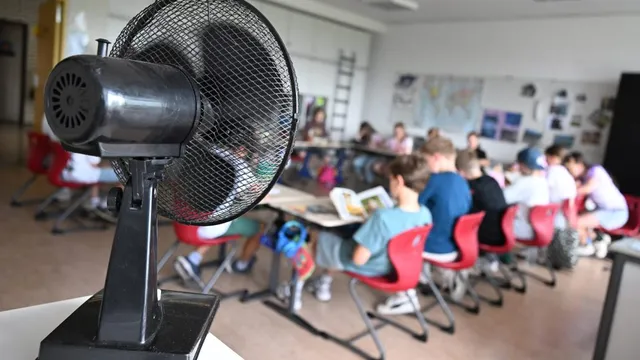
In the United States, rising temperatures have become a significant concern for schools, particularly as many districts have shifted their academic calendars to start in mid-July or August. This change means that students are spending more time in school during some of the hottest days of the year, which poses serious health risks. Researchers from Arizona State University have highlighted that extreme heat can lead to heat-related illnesses among students, especially during outdoor activities. The lack of adequate infrastructure, such as air conditioning and shaded play areas, exacerbates the problem, leaving many schools unprepared to ensure the safety and comfort of students and educators.
The frequency and intensity of extreme heat events have increased over the years, with data showing that 156 school districts serving over 1 million students experienced at least 30 more days over 80°F during the school year in 2025 compared to 1970. This trend raises concerns about the health and learning capabilities of students, as exposure to high temperatures can negatively impact their physical well-being and academic performance. Alarmingly, about 41% of school districts with air conditioning require updates or replacements, and the estimated cost to install new systems in schools lacking them is around $40 billion.
In response to these challenges, many schools are implementing strategies to mitigate the effects of heat. Adding shade in schoolyards has proven effective in improving thermal comfort and reducing harmful sun exposure. Additionally, some policies are being introduced to ensure classroom temperatures remain below a specific threshold, which is critical for supporting student learning. Large, air-conditioned indoor facilities are also essential for maintaining traditional outdoor activities, such as physical education classes and sports practices, even during extreme heat.
Despite these efforts, the ongoing rise in temperatures and the increasing number of school days spent in hot conditions highlight the urgent need for comprehensive planning and investment in school infrastructure. As the academic year begins earlier in the summer, it is crucial for schools to prioritize the health and safety of students and educators to foster a conducive learning environment.