

China's economic ties shape its influence in the Iran war
China's economic ties shape its influence in the Iran war
- The Iran war has significantly affected China's export-driven economy, increasing production costs and pressuring factory orders.
- China seeks to leverage its economic ties to Iran to influence ceasefire negotiations amidst rising tensions.
- The ongoing conflict emphasizes China's growing importance as a mediator in international relations.
Story
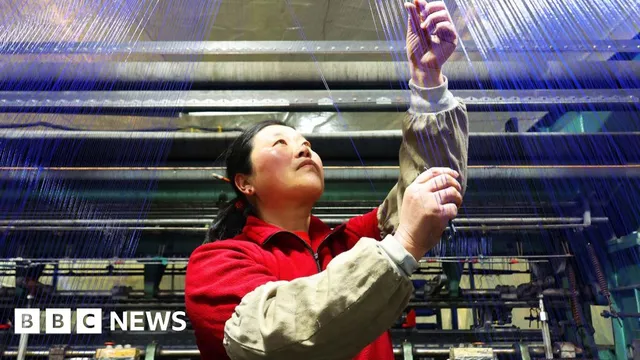
In early 2026, the Iran war's impact on global energy supplies has been significant, leading to rising production costs and factory order pressures in China. Workers in Guangdong province face dire working conditions, earning minimal wages as economic uncertainty looms. This has prompted Beijing to call for an end to hostilities, hoping to stabilize trade with the Middle East. China's economic relationship with Iran, as the largest buyer of Iranian oil, positions it uniquely to leverage influence and push for ceasefire negotiations. High-stakes diplomacy sees Chinese leaders advocating for peace while balancing international expectations, highlighting China's growing role in global conflict mediation. Despite a historical reluctance to engage in conflicts outside its borders, China's involvement in the Iran war exemplifies its emerging status as a significant diplomatic player. The nation has sought to promote peaceful dialogues in various conflicts, asserting its position as a mediator amid escalating tensions involving the U.S. and traditional allies. Chinese diplomacy focuses on stability, attempting to boost its global standing while navigating complex relationships shaped by shared economic interests. As tensions between the United States and Iran continue to rise, China has cautiously positioned itself to derive benefits from the unfolding situation. Beijing has been involved in negotiations aimed at achieving a ceasefire and reopening key trade routes, showcasing its commitment to regional stability. Recent diplomatic ventures include multiple discussions between Chinese officials, indicating a proactive approach to the ongoing crisis. The unique leverage Beijing holds over Iranian oil purchases enhances its role in fostering dialogue and potential solutions to the conflict. In conclusion, Chinese President Xi Jinping has emphasized the importance of upholding international laws and fostering coexistence through diplomacy. Amidst calls for a stable and peaceful resolution, China's involvement in the Iran war demonstrates its ambition to position itself as a leading player on the global stage. The balance between advocating for peace and maintaining economic ties lays the groundwork for a potential shift in international relations, as China navigates the increasingly intertwined nature of politics and economics in conflict resolution.
Context
impact market trends impact shift shift trends data geopolitical data economic shift data geopolitical global geopolitical global global global strategic trends strategic impact policy market market market data impact market trends data data policy data strategic economic geopolitical analysis policy analysis trends geopolitical economic data geopolitical analysis trends insight strategic market insight policy economic global insight market market insight insight impact strategic economic geopolitical impact shift geopolitical trends data market policy geopolitical global economic market impact policy impact impact analysis...


