
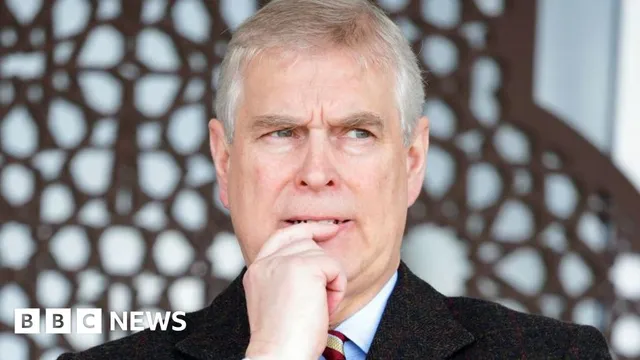
Andrew congratulates Epstein on his release from house arrest in 2010
- Newly released documents show emails from 2010 between Andrew Mountbatten-Windsor and Jeffrey Epstein.
- Andrew congratulated Epstein on his release from house arrest while arranging a dinner with a Russian woman.
- The revelations have intensified scrutiny over Andrew's past connections to Epstein and his royal duties.
Story
In the United States, newly released documents reveal a correspondence between Andrew Mountbatten-Windsor, the Duke of York, and convicted financier Jeffrey Epstein. These emails, dating back to 2010, include a congratulatory note from Andrew on Epstein’s transition from house arrest after serving 13 months in a jail work-release program for soliciting a minor for prostitution. Regarding Epstein's plans to move to different locations, Andrew expressed his intention to meet with Epstein while he was in London. Additionally, Epstein had facilitated a dinner between Andrew and a 26-year-old Russian woman, who later reported having an 'amazing night' after their meeting. The emails depict an exchange where Epstein recommended the dinner opportunity and confirmed the woman's visit to England, during which they arranged a dinner in London. Despite the controversy surrounding Epstein's past, Andrew's active involvement in these social arrangements has raised questions about his judgement and associations. Following these revelations, Andrew stepped back from his royal duties amid increasing scrutiny and public outrage over his connections to Epstein. The fallout led to the royal family stripping Andrew of his titles due to 'serious lapses of judgment' associated with his ongoing friendship with Epstein. This has left a lasting impact on the royal family's public image and reflects an ongoing investigation into allegations against Andrew regarding his conduct with minors. In the context of these events, the U.S. authorities are assessing the information regarding the Russian woman's claims about spending time with Andrew in 2010, and the implications of such meetings. With calls for accountability increasing, especially in light of judicial and social justice movements, the fallout from Epstein’s dealings continues to embroil Andrew in controversy, highlighting issues of power dynamics, abuse, and accountability within elite circles.
Context
The impact of the Epstein scandal on the British royal family has been profound, casting long shadows over its public image and relations with the institution and royal members. The scandal erupted in 2019 with the arrest of Jeffrey Epstein, a prominent financier accused of sex trafficking and abuse of minors. The exposure of his connections to high-profile figures, including members of the royal family, triggered public outrage and intensified scrutiny on the actions and associations of those within the monarchy. Of particular concern was Prince Andrew, Duke of York, who faced allegations of sexual misconduct related to Epstein's activities, which he has denied. This situation has led to significant backlash against the royal family, resulting in calls for accountability and reform within the institution. Following the scandal, Prince Andrew's public engagements dwindled, and he stepped back from royal duties in November 2019. The royal family's attempt to distance itself from Andrew’s turbulent association with Epstein became apparent as they faced increasing pressure to uphold the monarchy's reputation. As a result, the royal family made strategic decisions to reinforce their commitment to transparency and moral responsibility, which included Andrew’s forced withdrawal from royal life and financial settlements to alleged victims, although no admission of guilt was made. The Epstein scandal not only affected individual members but also had a broader impact on the British monarchy's relationship with the British public. Poll after poll indicated growing skepticism towards the institution, and there was a marked increase in discussions regarding the monarchy's relevance in contemporary society, especially among younger demographics. Social media played a critical role in amplifying public sentiment, with many using platforms to express their discontent and calls for reform. Consequently, the royal family recognized the need to adapt its public relations strategies to rebuild trust and engagement, focusing more on community outreach and charitable endeavors in support of victims and the vulnerable, areas that resonate with the public. As the situation evolves, the long-term implications of the Epstein scandal remain uncertain. Further legal developments and potential scrutiny of other royal family members may arise, exposing the institution to ongoing vulnerability. Nevertheless, the royal family is likely to continue prioritizing damage control efforts, promoting a more contemporary image, and emphasizing their role as modern public figures shaped by current social values. The need for cultural adaptation and a commitment to integrity and accountability has become increasingly evident as the monarchy navigates through this challenging period; they must now balance tradition with a call for progressive change.
