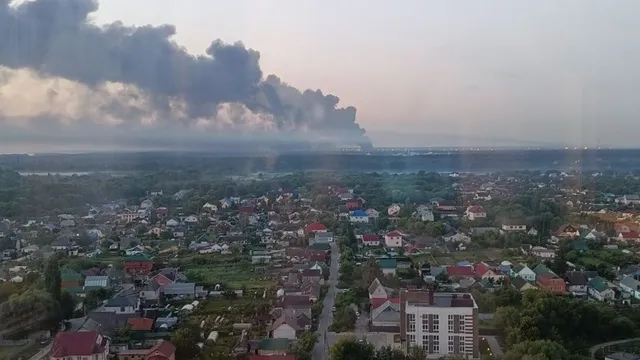
The current military tensions between Russia and Ukraine have escalated significantly since the onset of the conflict in 2014, following Russia's annexation of Crimea. This situation has led to ongoing hostilities in Eastern Ukraine, particularly in the Donetsk and Luhansk regions, where pro-Russian separatists have declared independence. The conflict has resulted in thousands of casualties and has displaced many civilians. International responses have included sanctions against Russia and support for Ukraine from Western nations, which have provided military aid and training to Ukrainian forces. The geopolitical implications of this conflict are profound, affecting not only regional stability but also the broader security architecture in Europe and beyond. The situation remains fluid, with periodic flare-ups of violence and diplomatic efforts to reach a resolution often stalling or failing altogether.
In recent years, the military capabilities of both Russia and Ukraine have evolved, with Russia demonstrating significant advancements in its military technology and strategy. This includes the use of hybrid warfare tactics, which combine conventional military force with cyber operations and disinformation campaigns. Ukraine, on the other hand, has been working to modernize its military and improve its defensive capabilities, often with the assistance of NATO and other allies. The presence of Russian troops near the Ukrainian border has raised alarms, leading to increased military readiness on both sides. The potential for miscalculation or accidental escalation remains a critical concern, as both nations continue to engage in military exercises and maneuvers that could be perceived as provocative.
Diplomatic efforts to de-escalate tensions have been ongoing, with various international organizations and countries attempting to mediate the conflict. The Minsk agreements, aimed at establishing a ceasefire and a framework for peace, have seen limited success, with violations reported on both sides. The lack of trust between the parties involved complicates negotiations, as each side accuses the other of failing to uphold their commitments. The role of external actors, including the United States and European Union, has been pivotal in shaping the dynamics of the conflict, as they seek to balance support for Ukraine with the need to avoid direct confrontation with Russia.
As of July 2026, the situation remains precarious, with ongoing military engagements and a humanitarian crisis that continues to affect millions. The international community is closely monitoring developments, as any significant escalation could have far-reaching consequences not only for Ukraine and Russia but also for global security. The need for a sustainable and peaceful resolution is more urgent than ever, as the conflict poses a threat to regional stability and international norms regarding sovereignty and territorial integrity.