

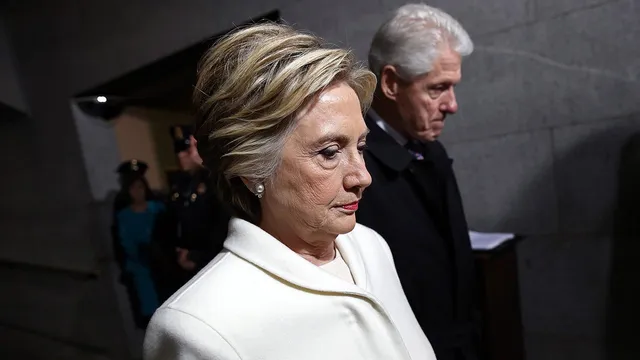
Clintons risk contempt charges for refusing to testify in Epstein probe
Clintons risk contempt charges for refusing to testify in Epstein probe
- The House Oversight Committee held preparatory meetings to discuss contempt resolutions against the Clintons for noncompliance with subpoenas related to Jeffrey Epstein investigations.
- Both Bill and Hillary Clinton assert that they lacked any knowledge of Epstein's criminal activities and have denied any wrongdoing.
- The committee aims to enforce accountability, and a successful contempt charge could mean serious legal repercussions for the Clintons.
Story
On January 13, 2026, the House Oversight Committee convened to discuss holding former President Bill Clinton and former Secretary of State Hillary Clinton in contempt of Congress for failing to appear for depositions concerning the ongoing investigation into Jeffrey Epstein. The committee’s subpoenas were issued in the context of a broader probe examining the operations of Epstein, who was charged with sex trafficking minors but died in custody in 2019. The Clintons, among ten individuals subpoened, are facing the most scrutiny due to repeated noncompliance with the committee’s requests. House Oversight Chairman James Comer expressed frustration over the Clintons' lack of cooperation, arguing that their refusal to testify has significantly impeded the investigation. Despite having more than enough notice and flexibility regarding scheduling, the Clintons allegedly responded with delays and excuses, prompting Comer to call for strict accountability. The consequences of a contempt conviction could involve a substantial fine and potential incarceration, an unprecedented step toward holding a former president accountable for refusing to comply with Congressional subpoenas. As the investigation proceeds, partisan tensions are heightened, with Republicans accusing the Clintons of obstruction while Democrats challenge the legitimacy of the subpoenas against them. Some Democrats on the committee have suggested that the emotional climate surrounding the investigation is being used for political gain rather than seeking justice for Epstein’s victims. This situation reflects broader concerns about political motivations hindering serious investigations into sexual trafficking and abuse. The outcome of the committee meeting on January 21, 2026, will determine whether the contempt resolutions pass and move to a full House vote. If they do, it will mark a significant moment in U.S. history, potentially setting a precedent for how Congress can enforce compliance from former high-ranking officials. The committee members believe it is essential to uphold Congress's authority and ensure that there is equal justice under the law, regardless of one’s position or connections in society.
Context
trends policy impact strategic market economic shift global policy policy geopolitical analysis analysis global analysis economic global market strategic market economic impact trends policy market policy shift insight policy geopolitical trends policy strategic policy global geopolitical global global policy economic impact strategic insight geopolitical strategic strategic global data analysis analysis trends insight global economic economic trends impact impact analysis market geopolitical market economic market geopolitical market data market trends global impact policy insight trends economic market trends strategic economic strategic...


