

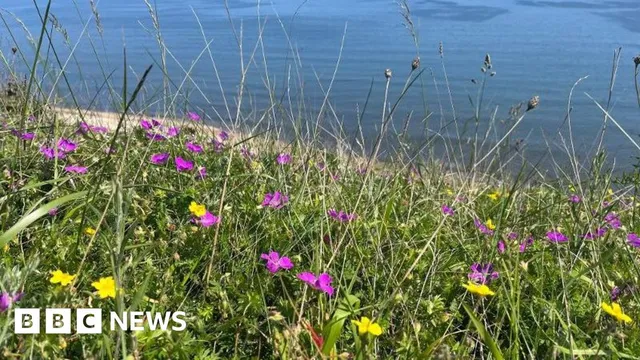
Durham completes grassland restoration project to protect unique habitat
Durham completes grassland restoration project to protect unique habitat
- The restoration project, costing £975,000, aimed to revive unique magnesian limestone grasslands.
- Community participation and collaboration with various organizations were central to the project's success.
- The initiative has created lasting environmental benefits and fostered community connection to nature.
Story
In a significant environmental initiative, Durham County Council has successfully completed a project dedicated to restoring magnesian limestone grasslands along the coast of County Durham, England. Funded by a grant of £975,000 from the government's Species Survival Fund, the project aimed to restore and safeguard a unique coastal habitat known for its rich biodiversity. The restoration effort took place between Nose's Point near Seaham and Blackhall Rocks, encompassing 11 kilometers of path improvements and the planting of over 21,000 trees and shrubs at the nature reserve known as Tina's Haven in Horden. Community engagement played a pivotal role in the project's success, with volunteers, local schools, and groups participating in nearly 100 events that included wildlife surveys and large-scale plantings. The project emphasized not only the ecological restoration of the grasslands but also the importance of connecting local communities with their natural environment, fostering a sense of stewardship and pride among residents. This initiative was executed in collaboration with various organizations, including the Heritage Coast Partnership, the National Trust, and the Durham Wildlife Trust, demonstrating a unified effort to address environmental concerns. The initiative to restore these coastal grasslands reflects a broader trend aimed at tackling species decline by 2030, as highlighted by Durham County Council. The unique magnesian limestone exposure along the coast creates a habitat that is recognized as globally significant, making the restoration efforts crucial for the area's flora and fauna. The council's cabinet member for neighbourhoods and environment, Councillor Kyle Genner, expressed his delight over the project's outcomes, noting the enhanced habitats for diverse species and the favorable conditions created for the area's plants and wildlife. Eric Wilton, general manager at the National Trust - Derwent, Wear and Coast, remarked on the project's exceptional nature and its impact on the local community. He praised the program for reconnecting residents with the coastline and its ecosystem, contributing to community well-being and ecological recovery. The project has not only delivered immediate environmental benefits but is also expected to yield long-term contributions to both the area's ecological health and social cohesion. The successful completion of this restoration project underscores the importance of collaborative environmental work and highlights the necessity of ongoing commitment to preserving unique habitats for future generations.


