

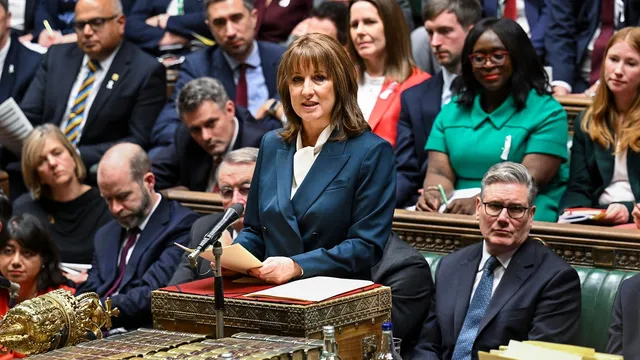
Tax freeze hits low earners hard under Rachel Reeves
Tax freeze hits low earners hard under Rachel Reeves
- Rachel Reeves announced tax measures that will freeze tax thresholds until 2030-31, burdening low earners with higher taxes.
- The Budget introduced welfare reforms, including the end of the two-child benefit cap to reduce child poverty.
- Critics argue the measures unfairly target working individuals while providing concessions to pensioners, reflecting tensions in government fiscal policy.
Story
In the recent UK Budget announcement, Chancellor Rachel Reeves made key changes that will affect income taxes and welfare spending. The decision to extend the freeze on tax thresholds is projected to increase the tax bills for millions of low earners, particularly those earning less than £35,000 a year. This freeze is expected to drag more workers into higher tax bands by 2030-31, with an analysis from the Resolution Foundation indicating that a typical employee could face a £220 increase in tax obligations. Furthermore, the Budget included a range of tax increases, including a mansion tax on homes valued over £2 million and a new pay-per-mile tax for electric vehicles. While this is seen as a necessary measure to address a £26 billion black hole in public finances, critics have pointed out that these changes may contradict Labour's election pledge not to raise taxes on working individuals. The policy decisions have stirred concern among many about the growing financial burden on middle- and low-income earners as the government seeks to fund increased welfare spending and support amid economic challenges. Additionally, the scrapping of the two-child benefit cap seeks to lift 450,000 children out of poverty. However, these welfare increases come at the cost of raised taxes for working individuals, leading to divided opinions on the fairness and effectiveness of the Budget. Critics argue that the measures disproportionately favor pensioners, whom the government has made significant fiscal concessions to, creating a sentiment that working people are being unfairly targeted for tax increases. Overall, the Budget reflects an attempt to balance the economic needs of the nation during a difficult time while satisfying various political factions within the Labour Party. The impact of these tax changes will primarily be felt by working people in the coming years, further complicating the financial landscape for those with moderate incomes or reliant on state benefits.


