

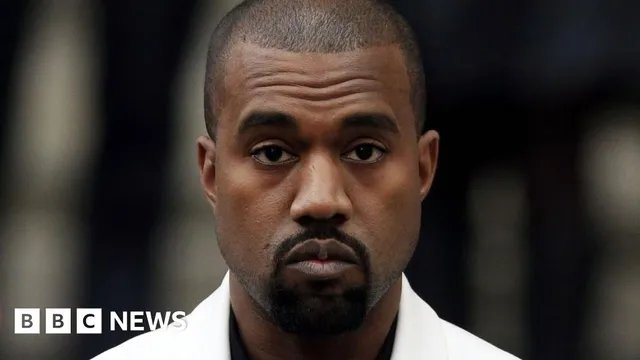
Kanye West faces calls to be banned from UK due to antisemitic history
Kanye West faces calls to be banned from UK due to antisemitic history
- Kanye West's headline booking at the Wireless Festival in London has faced strong criticism due to his antisemitic remarks.
- Several corporate sponsors have withdrawn their support for the festival in response to the backlash.
- Political leaders are calling for West to be banned from entering the UK, which raises questions about the festival's future.
Story
In the United Kingdom, significant pressure has been mounting against the rapper Kanye West, also known as Ye, due to his scheduled headline performance at the Wireless Festival in London this July. Critics are voicing their outrage due to West's history of antisemitic comments, which includes the release of a song titled 'Heil Hitler' and promotion of Nazi imagery. Following this controversy, several festival sponsors, including Pepsi and Diageo, have distanced themselves from the event, resulting in questions about the festival's future without major corporate backing. The backlash intensified after U.K. Prime Minister Keir Starmer described West's booking as 'deeply concerning'. He emphasized that antisemitism is abhorrent and should be firmly confronted. Starmer’s remarks reflect growing political and public concern regarding antisemitism in the UK, especially in light of recent incidents tied to rising hate crimes. This has prompted other politicians and public figures to call for the rapper to be barred from entering the UK entirely for the festival. West’s controversial history includes personal apologies and claims of mental health struggles, which he stated influenced his actions. However, these apologies haven't pacified public sentiment, leading various advocates, including the Board of Deputies of British Jews and the Campaign Against Antisemitism, to demand bans on West from the UK. They argue that his presence would not be conducive to public good, therefore should not be allowed under immigration law. The festival itself, set to occur in Finsbury Park over July 10-12, has already lost substantial sponsorships, raising uncertainties about its operation. As corporate partners reconsider their roles, questions loom over the implications for the festival's reputation and financial stability, should calls to cancel the performance gain traction. Overall, this situation underscores the complex interplay between celebrity, public sentiment, and societal values regarding hate speech and antisemitism today.
Context
Celebrity controversies have a significant impact on public events, often shaping perceptions, attendance, and overall participation in these gatherings. When a celebrity is involved in a scandal or controversy, it can lead to a shift in public sentiment, which subsequently affects how fans and the general public engage with events they are associated with. This effect is observed in various sectors including film premieres, music festivals, and sports events, where the presence of a controversial celebrity can either draw in larger crowds due to curiosity or deter attendees who may oppose the scandalous behavior or viewpoints expressed by the celebrity. The dynamics between celebrity controversies and public events often reflect broader societal attitudes. For instance, controversies surrounding issues such as racism, sexism, or other forms of discrimination can ignite public outrage, which in turn can affect event sponsorship, media coverage, and even the event's survival. Moreover, positive celebrity actions—such as public apologies or philanthropic initiatives—can sometimes mitigate the negative impact of previous controversies, demonstrating the fluid nature of public perception. Events can take on a different aura; they may serve as a platform for dialogue about the issues raised by the controversy, transforming a potentially damaging situation into an opportunity for social discourse and community engagement. Furthermore, celebrity controversies can lead to an increase in events that leverage the backlash. For example, rival events or counter-demonstrations may emerge as a means for communities to express their dissent or to rally support for a cause that opposes the behavior of the controversial figure. Such scenarios illustrate how closely intertwined public events and celebrity actions are, creating a complex web of social interactions influenced by larger cultural narratives and movements, including advocacy for social justice and community safety. In the digital age, the role of social media in amplifying celebrity controversies cannot be overstated. The rapid spread of news through platforms leads to immediate public reactions, which can escalate or diminish the impact of a controversy on upcoming events. Major events must carefully navigate these waters, often adapting their marketing strategies and public relations responses in real time, showcasing the profound relationship between celebrity behavior, media speculation, and public engagement with events. Ultimately, as we continue to study the impact of celebrity controversies on public events, it becomes increasingly clear that these phenomena are not just trivial distractions, but pivotal moments that can redefine the landscape of public engagement and cultural expression.


