

Investigators seek miracle to solve Nancy Guthrie's case with genetic genealogy
Investigators seek miracle to solve Nancy Guthrie's case with genetic genealogy
- Nancy Guthrie was reported missing on February 1, 2026, with evidence suggesting foul play.
- Investigators are utilizing investigative genetic genealogy to analyze DNA evidence from the case.
- Law enforcement expresses urgency in solving this case, increasing hope for identifying the suspect.
Story
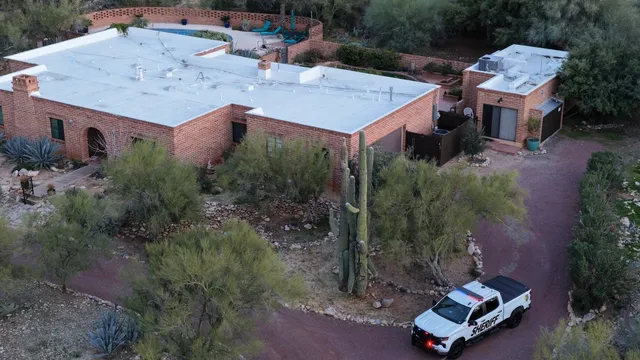
In the United States, specifically near Tucson, Arizona, ongoing investigations are focused on the disappearance of Nancy Guthrie, who was reported missing from her home on February 1, 2026, after spending the night with family. Authorities suspect foul play, given that her blood was discovered on her porch. Recently, investigators announced they are turning to investigative genetic genealogy (IGG) to process DNA evidence collected from the scene. This method aims to identify potential relatives of the suspect by uploading DNA profiles into genealogy databases such as GEDmatch or FamilyTreeDNA. Retired FBI agent Jennifer Coffindaffer, who has provided commentary on this case, noted parallels with other recent high-profile cases, like that of Bryan Kohberger, where genetic genealogy played a crucial role in locating a suspect. The authorities in this ongoing investigation have released a description of a man, estimated to be 5 feet, 9 to 10 inches tall with an average build, who was spotted in surveillance footage outside Guthrie's residence on the night she went missing. This step highlights the urgency and priority placed on resolving her case, as investigators believe they may have a lead that could be instrumental in identifying the suspect. Given the time sensitivity involved, Coffindaffer anticipates that while it may take several weeks to validate the DNA evidence and connect it to potential suspects, the urgency expressed by law enforcement could expedite the process. The Pima County Sheriff’s Department has communicated their commitment to exploring various genetic genealogy options and mentioned alternative databases aside from the well-known CODIS. The development reflects a growing trend in law enforcement where DNA left at crime scenes is used to generate familial links that eventually lead to the identification of suspects, showcasing the evolving capabilities of forensic science. Additionally, Savannah Guthrie has emphasized hope and resilience through social media, encouraging those who may have information related to the case to step forward.


