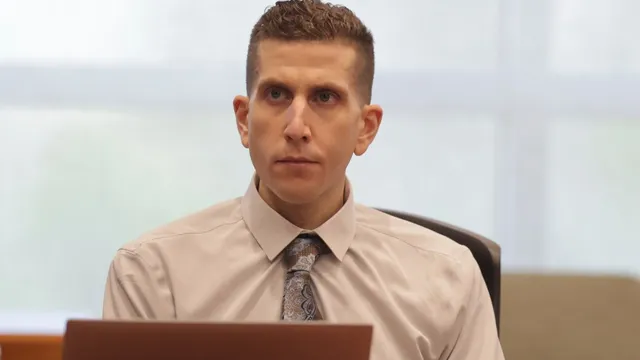
In July 2023, Bryan Kohberger publicly announced his intention to retract his guilty plea regarding the 2022 murders of four University of Idaho students. This declaration marked a significant shift from his previous admission of guilt, which he made to avoid the death penalty by agreeing to four consecutive life sentences without parole. Kohberger's statement claimed that he was misled by false promises and disinformation, asserting his actual innocence and expressing a desire for a full trial. He emphasized that justice had not been served and criticized the prosecution's narrative as a flawed representation of the case.
The legal landscape surrounding Kohberger's plea withdrawal is complex, particularly under Idaho law. Requests to withdraw a guilty plea prior to sentencing are generally evaluated under a more lenient standard, allowing for withdrawal for any fair and just reason. However, once a sentence has been imposed, the standard becomes much stricter, requiring proof of a manifest injustice. This means that Kohberger must demonstrate that his plea was entered involuntarily, that he received ineffective assistance from his counsel, or that prosecutorial misconduct affected the outcome of his case.
Kohberger's previous statements made during his change-of-plea hearing complicate his current position. He had affirmed under oath that he understood the plea agreement and was acting voluntarily, which creates a significant hurdle for his defense team. To successfully retract his plea, they will need to provide substantial evidence that contradicts his earlier sworn statements, rather than relying on broad claims of coercion or misinformation.
Additionally, Kohberger's original plea agreement included a waiver of his right to a direct appeal, which further complicates his legal strategy. While such waivers do not completely eliminate the possibility of post-conviction petitions based on severe constitutional violations or newly discovered evidence, courts are generally skeptical of post-sentencing retractions. Legal experts suggest that unless Kohberger's defense can present concrete proof of coercion, fraud, or significant errors that tainted the plea process, it is unlikely that the courts will overturn his guilty plea at this stage. Kohberger's recent statements reflect a growing public demand for clarity and justice in a case that has drawn significant media attention and public scrutiny.