
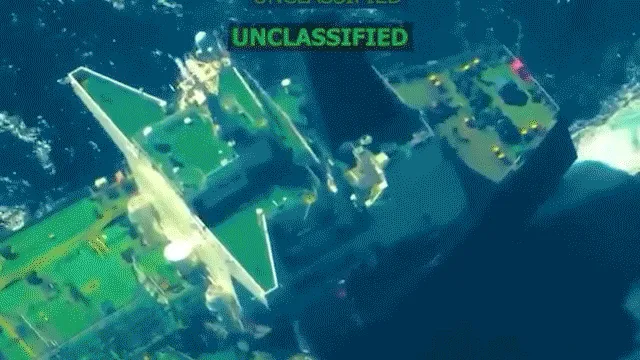
U.S. military seizes sanctioned oil tanker in Caribbean operation
- U.S. military forces conducted an operation in the Caribbean leading to the apprehension of a sanctioned tanker vessel.
- The Motor Vessel Sagitta was seized as part of a larger campaign to disrupt illicit oil transportation linked to Venezuela.
- This operation reflects the U.S. commitment to ensure that only lawful oil exports occur, emphasizing national security.
Story
In the Caribbean, U.S. military forces apprehended the Motor Vessel Sagitta as part of an ongoing mission against illegal oil trafficking. Conducted under Operation Southern Spear, this operation targets tanker vessels that are either sanctioned by the U.S. or part of unregulated fleets moving oil from countries like Venezuela. As of January 20, 2021, this incident marked the seventh seizure of oil tankers, illustrating the U.S. government's increasing efforts to disrupt illicit oil shipments associated with sanctioned nations. During the operation, U.S. Southern Command confirmed that the apprehension occurred without incident. Troops were seen landing on the tanker’s deck, indicating the readiness and capability of the military in executing these complex maritime operations. The Motor Vessel Sagitta is flagged in Liberia and managed by a Hong Kong-based company, demonstrating the international implications and connections involved in such illicit activities. U.S. officials emphasized the importance of this action within the context of a broader campaign initiated by the Trump administration. This campaign aims to ensure that only properly coordinated and lawful oil exports leave Venezuela, a response to the country's ongoing economic crisis and the efforts to isolate its leadership. By enforcing strict quarantines for sanctioned vessels, U.S. military operations are designed to disrupt the flow of oil, which is a critical revenue source for the Venezuelan government. As tensions continue to rise in the region over the implications of these seizures, questions remain about the effectiveness and consequences of U.S. strategies in combating illegal oil transport. Observers note that the complexity of international maritime laws and the ever-evolving landscape of oil trafficking require not only military presence but also diplomatic efforts to fully address the issue, suggesting that the operations may have lasting implications for U.S. foreign policy in the Western Hemisphere.
Context
The impact of oil trade sanctions on Venezuela has been profound and multifaceted, affecting both the country's economy and the well-being of its citizens. As one of the largest oil reserves in the world, Venezuela once thrived economically through its oil exports. However, international sanctions imposed in recent years, particularly by the United States and the European Union, have severely limited the country's ability to sell its oil on the global market. These sanctions were largely a response to the Venezuelan government's human rights abuses and allegations of corruption, but they have resulted in a catastrophic decline in national revenue and have exacerbated the country's ongoing economic crisis. The sanctions have led to a drastic reduction in oil production, which has plummeted from over three million barrels per day in the early 2000s to less than a million barrels per day in recent years. This drop has been compounded by the aging infrastructure of the state-owned oil company PDVSA, which has struggled to maintain its operations due to lack of investment and skilled labor, a situation worsened by the departure of foreign oil companies. With dwindling oil revenues, the Venezuelan government has faced enormous challenges in providing basic services, leading to widespread shortages of food, medicine, and other essential goods. Moreover, the humanitarian impact of these sanctions has been considerable. The Venezuelan population has suffered from extreme poverty, malnutrition, and deteriorating health conditions, as the economy continues to spiral downward. The United Nations has reported that millions of Venezuelans are in urgent need of humanitarian assistance, and many have fled the country in search of better living conditions elsewhere. The sanctions, although aimed at pressuring the government for political reform, have inadvertently harmed the very citizens they were meant to protect, demonstrating the complexities of international relations and economic sanctions. In summary, while the goal of the sanctions may have been to foster change within the Venezuelan government, the unintended consequences have led to severe economic and humanitarian repercussions. The decline in oil exports, which was once the lifeblood of the Venezuelan economy, has contributed to a dire situation for millions of citizens. The future of Venezuela remains uncertain, as the country grapples with the devastating impacts of these sanctions and the ongoing challenge of rebuilding its oil sector and recovering from an unprecedented economic collapse.
