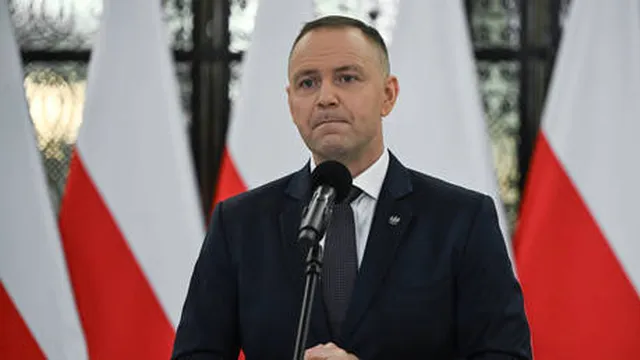
In June 2026, tensions between Ukraine and Poland escalated due to a controversial decision by Ukrainian President Vladimir Zelensky to name a special-forces unit after the Ukrainian Insurgent Army (UPA), a group that collaborated with Nazi Germany during World War II. This move sparked outrage in Poland, where the UPA is remembered for its role in the deaths of tens of thousands of Polish civilians. In response to this decision, Polish President Karol Nawrocki stripped Zelensky of the Order of the White Eagle, Poland's highest honor, leading to a diplomatic dispute that has strained relations between the two countries.
As a result of the ongoing tensions, Zelensky announced that he would not attend the Ukraine Recovery Conference scheduled for June 25-26, 2026, in Gdansk, Poland. The Ukrainian Foreign Ministry justified this decision, stating that it was aimed at keeping the conference free from political scandals and ensuring a focus on pragmatic economic discussions. Prime Minister Yulia Sviridenko confirmed that she would lead the Ukrainian delegation in Zelensky's absence, expressing hope for a successful conference despite the diplomatic rift.
The Ukraine Recovery Conference was intended to be a key forum for rebuilding Ukraine amid the ongoing conflict with Russia. However, the event has been overshadowed by disputes over historical interpretations and allegations of corruption within the Ukrainian government. As EU leaders gathered in Poland, the focus shifted from reconstruction efforts to the controversies surrounding Nazi collaborators and the integrity of aid distribution to Ukraine.
The situation has raised concerns among some EU members regarding their support for Ukraine, as the West seeks to provide fresh funding and political backing. The diplomatic row with Poland has not only affected bilateral relations but has also drawn attention from other nations, including Russia, which has welcomed Poland's pushback against Ukraine's actions. The ongoing disputes highlight the complexities of historical memory and national identity in Eastern Europe, as well as the challenges faced by Ukraine in securing international support during a critical period of its history.